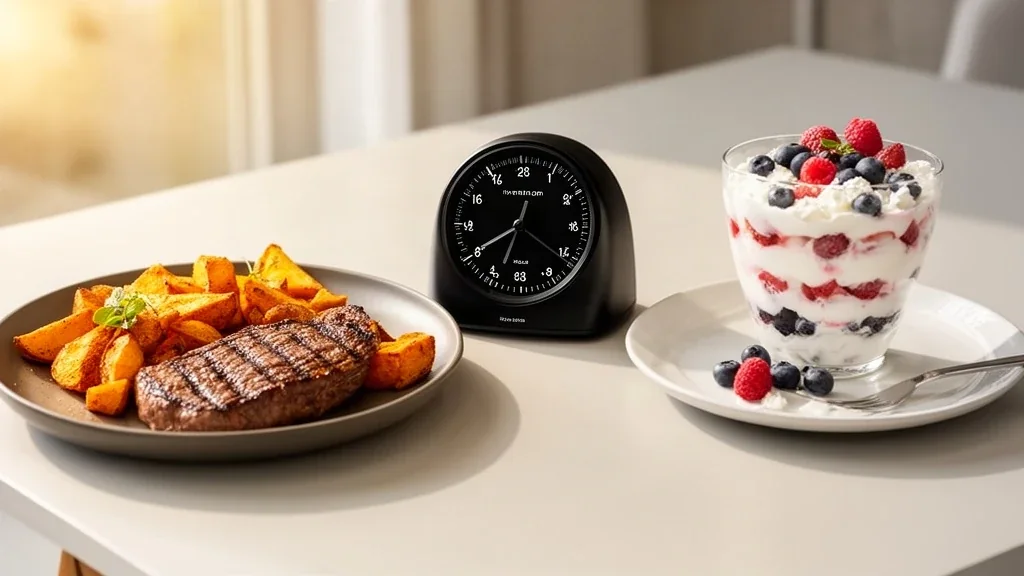
16:8 Intermittent Fasting and Macros: Combining Timing with Targets
Intermittent fasting and macronutrient tracking solve two different problems. Fasting establishes when you eat. Macro tracking establishes what your body uses for fuel, recovery, and muscle preservation.
The popular 16:8 protocol—fasting for 16 hours and eating across an 8-hour window—does not change human energy requirements or protein metabolism. If your daily maintenance is 2,200 calories and your target is 160g protein, 200g carbs, and 60g fat, your body still requires those exact macronutrients whether you spread them across six meals or compress them into two.
The primary challenge of combining 16:8 fasting with flexible dieting is density: fitting 140–200 grams of protein and adequate fiber into an 8-hour window without experiencing extreme digestive fullness or under-eating essential fats.
Here is how to structure your 8-hour eating window, hit your daily macronutrient targets across 2 or 3 meals, schedule your workouts, and avoid common fasting pitfalls.
Why Fasting Does Not Replace Macro Tracking
A common misconception is that adhering to a 16:8 window automatically produces fat loss without counting calories.
Clinical research demonstrates that time-restricted feeding produces weight loss primarily by creating a spontaneous calorie deficit (Moro et al. 2016). When you eliminate late-night snacking and morning pastries, you naturally reduce daily caloric intake. However, if you consume a 500-calorie surplus within your 8-hour window, you will still gain weight.
Energy balance remains governed by the physical invariant:
Calories = (4 × Protein) + (4 × Carbs) + (9 × Fats)
Fasting provides an appetite management framework; macro tracking ensures that your energy intake and macronutrient distribution align with your body composition goals.
+-------------------------------------------------------------+
|                     24-Hour Daily Cycle                     |
+-------------------------------------------------------------+
|   16-Hour Fasting Window (e.g., 8:00 PM to 12:00 PM)        |
|   - Zero caloric intake (Water, Black Coffee, Plain Tea)    |
|   - Autophagy & baseline insulin levels                     |
+-------------------------------------------------------------+
|   8-Hour Feeding Window (e.g., 12:00 PM to 8:00 PM)         |
|   - Meal 1 (12:00 PM): High-Protein Break-Fast (~35-40% macros)|
|   - Meal 2 (3:30 PM):  Dense Bridge Snack (~20-25% macros)  |
|   - Meal 3 (7:30 PM):  Substantial Dinner (~35-40% macros)  |
+-------------------------------------------------------------+
The 8-Hour Protein Distribution Problem
Electrolyte & Fluid Balance for Resistance Athletes
- Drink 0.5 to 1.0 oz of water per pound of body weight daily to sustain intracellular cellular hydration.
- Replace sodium (500-1000mg) during heavy training sessions or low-carb diets to prevent fatigue.
- Do not ‘eat back’ estimated cardio calories from fitness trackers due to standard 20-50% optical measurement overestimates.
Macro arithmetic verified against USDA FoodData Central and Atwater 4P+4C+9F standard.
When eating across 14 to 16 hours, spreading 160g of protein across four 40g meals is straightforward. When compressed into 8 hours, you must hit your numbers across two large meals or three moderate meals.
Research on the dose-response relationship of protein intake (Schoenfeld & Aragon 2018; Jäger et al. 2017) confirms that the human digestive tract absorbs almost all ingested amino acids, even in large boluses of 50–70g. Muscle protein synthesis (MPS) is maximally stimulated with roughly 0.40–0.55g of high-quality protein per kilogram of bodyweight per meal (typically 30–50g for most adults).
To maximize muscle retention while fasting:
- Never break your fast with pure carbohydrates. A spike in rapid-digesting carbs after a 16-hour fast can cause lethargy and rapid blood glucose swings.
- Anchor every meal with at least 40–50g of lean protein.
- Keep fats moderate in your first meal to avoid digestive heaviness, reserving denser fats for dinner.
Worked Example: A Complete 2,000-Calorie 16:8 Day Plan
The following day plan provides 167g Protein / 175g Carbs / 69g Fat (1,989 Calories) structured across a 12:00 PM to 8:00 PM feeding window. Every meal is cross-referenced with USDA FoodData Central and satisfies the 4/4/9 formula.
Meal 1: The Break-Fast (12:00 PM) — 742 kcal
- Chicken Breast (6oz) + Rice (1 cup) + Broccoli (from our verified whole-food meal database): 54g Protein, 45g Carbs, 8g Fat (468 kcal)
- 1 Medium Apple (180g): 0g Protein, 25g Carbs, 0g Fat (100 kcal)
- 1 oz (28g) Whole Almonds: 6g Protein, 6g Carbs, 14g Fat (174 kcal)
- Meal 1 Subtotal: 60g Protein, 76g Carbs, 22g Fat (742 kcal)
Meal 2: The Afternoon Bridge (3:30 PM) — 449 kcal
- Greek Yogurt Bowl + Berries + Granola (1 cup nonfat Greek yogurt, 1/2 cup fresh berries, 1/4 cup granola): 20g Protein, 45g Carbs, 8g Fat (332 kcal)
- 1 scoop (30g) Whey Protein Isolate stirred into yogurt: 25g Protein, 2g Carbs, 1g Fat (117 kcal)
- Meal 2 Subtotal: 45g Protein, 47g Carbs, 9g Fat (449 kcal)
Meal 3: The Evening Anchor Dinner (7:30 PM) — 798 kcal
- Steak (8oz Sirloin) + Large Baked Potato (250g) + Steamed Green Beans: 62g Protein, 52g Carbs, 24g Fat (672 kcal)
- 1 tbsp Extra Virgin Olive Oil / Butter for potato & greens: 0g Protein, 0g Carbs, 14g Fat (126 kcal)
- Meal 3 Subtotal: 62g Protein, 52g Carbs, 38g Fat (798 kcal)
Daily Macronutrient Summary Table
| Eating Occasion | Timing | Protein (g) | Carbs (g) | Fats (g) | Verified Calories |
|---|---|---|---|---|---|
| Meal 1: Break-Fast | 12:00 PM | 60 | 76 | 22 | 742 |
| Meal 2: Bridge Snack | 3:30 PM | 45 | 47 | 9 | 449 |
| Meal 3: Dinner | 7:30 PM | 62 | 52 | 38 | 798 |
| Daily Verified Total | 8-Hour Window | 167g | 175g | 69g | 1,989 kcal |
Mathematical Line-Item Proof
- Meal 1: (60 × 4) + (76 × 4) + (22 × 9) = 240 + 304 + 198 = 742 kcal
- Meal 2: (45 × 4) + (47 × 4) + (9 × 9) = 180 + 188 + 81 = 449 kcal
- Meal 3: (62 × 4) + (52 × 4) + (38 × 9) = 248 + 208 + 342 = 798 kcal
- Day Total: 742 + 449 + 798 = 1,989 kcal (167g P × 4 = 668 kcal; 175g C × 4 = 700 kcal; 69g F × 9 = 621 kcal; 668 + 700 + 621 = 1,989 kcal).
2-Meal vs. 3-Meal Fasting Splits
Depending on your schedule, appetite, and training time, you can divide your 8-hour window into two large meals or three moderate meals:
| Factor | 2 Large Meals (e.g., 12:30 PM & 7:30 PM) | 3 Structured Meals (12 PM, 3:30 PM, 7:30 PM) |
|---|---|---|
| Protein per Sitting | 70–100g per meal | 45–65g per meal |
| Digestive Load | Very heavy; requires high stomach capacity | Balanced; easier on digestion |
| Best For | Lower calorie targets (1,400–1,800 kcal) or busy workdays | Higher calorie targets (2,000–2,800+ kcal) & heavy lifters |
| Satiety Impact | Extreme fullness immediately after eating | Steady energy and hunger suppression throughout window |
| Muscle Synthesis | 2 robust stimulations of MPS | 3 distinct stimulations of MPS |
For lifters aiming to maximize lean mass while cutting or maintaining, the 3-meal structure is generally superior because it provides multiple robust leucine spikes throughout the afternoon (Morton et al. 2018). For a deeper breakdown of per-sitting protein limits, see our guide on protein per meal maximums.
Workout Timing on a 16:8 Protocol
Your training schedule dictates where carbs and protein should concentrate within your day:
Scenario A: Training During the Fast (e.g., 6:00 AM – 7:30 AM)
- Pre-Workout: Water, black coffee, or electrolytes (0 kcal).
- Post-Workout (Fasted): If you train at 7:00 AM and do not eat until 12:00 PM, muscle protein breakdown is slightly elevated. Stay hydrated.
- Break-Fast (12:00 PM): Prioritize fast-acting carbs and at least 50g protein to replenish glycogen and trigger recovery.
Scenario B: Training Inside the Window (e.g., 5:00 PM – 6:30 PM) — Recommended
- 12:00 PM (Meal 1): Moderate carbs and high protein provide glycogen stores for the upcoming session.
- 3:30 PM (Meal 2): Light carb/protein snack 90 minutes before lifting.
- 7:30 PM (Meal 3): Substantial post-workout dinner containing the majority of your daily carbs and protein.
For more details on nutrient distribution around training sessions, read our full breakdown of meal timing for muscle growth.
Common 16:8 Macro Mistakes
- Under-Eating Protein Due to Early Satiety: High-volume whole foods eaten in a short window can make you feel full before you hit your daily protein goal. If you struggle to finish meals, swap low-calorie vegetables for dense protein sources like Greek yogurt, whey isolate, egg whites, or extra lean poultry. For whole-food strategies, read our guide on how to hit 200g of protein daily.
- Accidental Caloric Blowouts on “Healthy” Fats: Because hunger is elevated when the fast breaks, dieters often over-pour peanut butter, olive oil, and nuts. A handful of almonds and two tablespoons of peanut butter can add 400 calories and 35g of fat in under two minutes. Use a digital scale to weigh calorie-dense fats.
- Breaking the Fast with Processed Sugars: Consuming high-glycemic refined carbohydrates on an empty stomach can cause an aggressive insulin spike followed by reactive hypoglycemia, leaving you fatigued and craving more food by mid-afternoon.
- Ignoring Micronutrients and Hydration: Fasting increases sodium and water excretion. Drink adequate water during the fasting window and season meals with normal culinary salt.
Practical Food Swaps for the 16:8 Window
| If you need to… | Swap this… | For this… | Macro Impact |
|---|---|---|---|
| Add 25g Protein with minimal calories | Whole Eggs (4 eggs) | Liquid Egg Whites (1 cup) | -18g Fat (-162 kcal), Same Protein |
| Increase Carbs for heavy training | Steamed Broccoli | Jasmine Rice (1.5 cups) | +65g Carbs, +260 kcal |
| Cut 200 Calories without losing fullness | Ribeye Steak (8oz) | Sirloin or Flank Steak (8oz) | -22g Fat (-198 kcal), Same Protein |
| Boost Protein in a fast meal | Regular Plain Yogurt | Nonfat Greek Yogurt (227g) | +12g Protein, -6g Fat |
The Bottom Line
Intermittent fasting 16:8 is a schedule, not a diet. It does not replace the fundamental mathematics of energy balance and macronutrient distribution.
If you enjoy eating larger meals, dislike preparing breakfast, or find an 8-hour window helpful for appetite control, combining 16:8 with macro targets gives you the best of both worlds: lifestyle flexibility with predictable body composition results.
Sources
- Jäger R, et al. (2017) International Society of Sports Nutrition Position Stand: protein and exercise. J Int Soc Sports Nutr, 14:20
- Moro T, et al. (2016) Effects of eight weeks of time-restricted feeding (16/8) on basal metabolism, maximal strength, body composition, inflammation, and cardiovascular risk factors in resistance-trained males. J Transl Med, 14:290
- Morton RW, et al. (2018) Systematic review and meta-analysis of protein intake. Br J Sports Med, 52(6):376-384
- Schoenfeld BJ, Aragon AA. (2018) How much protein can the body use in a single meal for muscle-building? J Int Soc Sports Nutr, 15:10
- USDA FoodData Central
Want to assemble 2-meal or 3-meal combinations that hit your exact daily macros? Use our Macro Meal Reverser to reverse-engineer meal plans from verified, mathematically exact database entries.
Tools That Make This Easier
A few tools remove the guesswork from the math above:
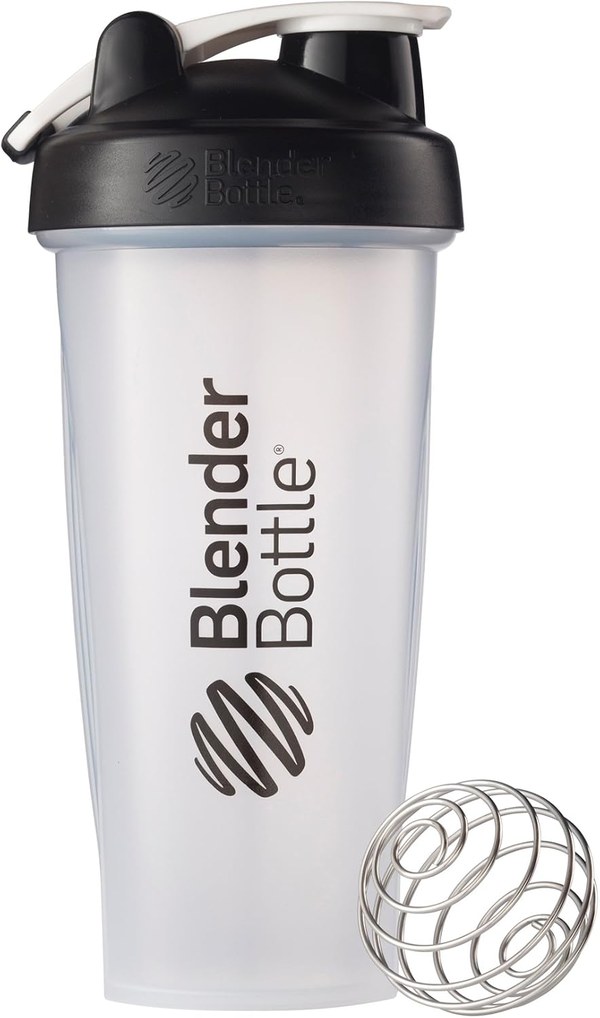 BlenderBottle Classic 28oz Shaker — mix protein on the go during the eating window without breaking the fast with calories.
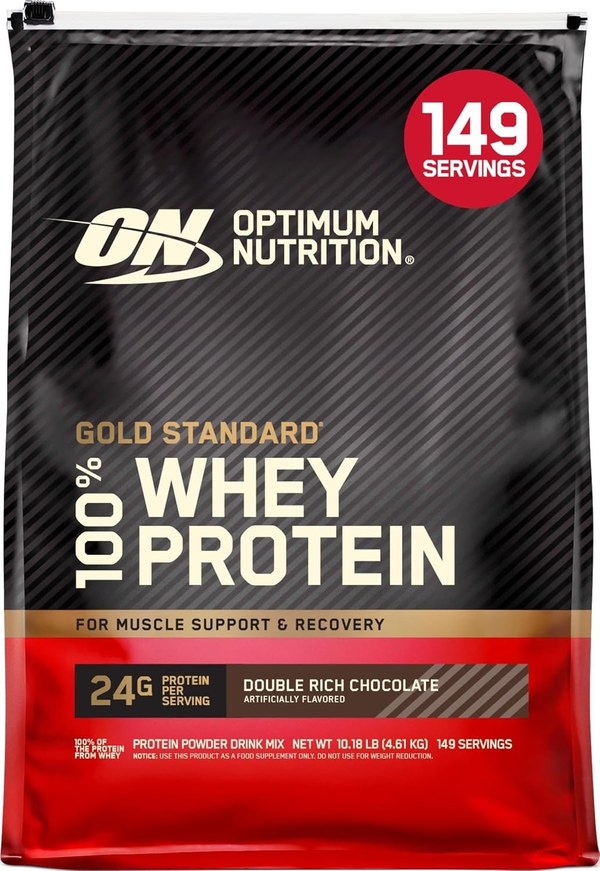 Optimum Nutrition Gold Standard 100% Whey (5 lb) — hits the day’s protein target inside a shorter feeding window.
 Dash Rapid Egg Cooker — fast, hands-free eggs for the first meal of the eating window.
Disclosure: as an Amazon Associate we earn from qualifying purchases. Prices are current as of writing and may change.