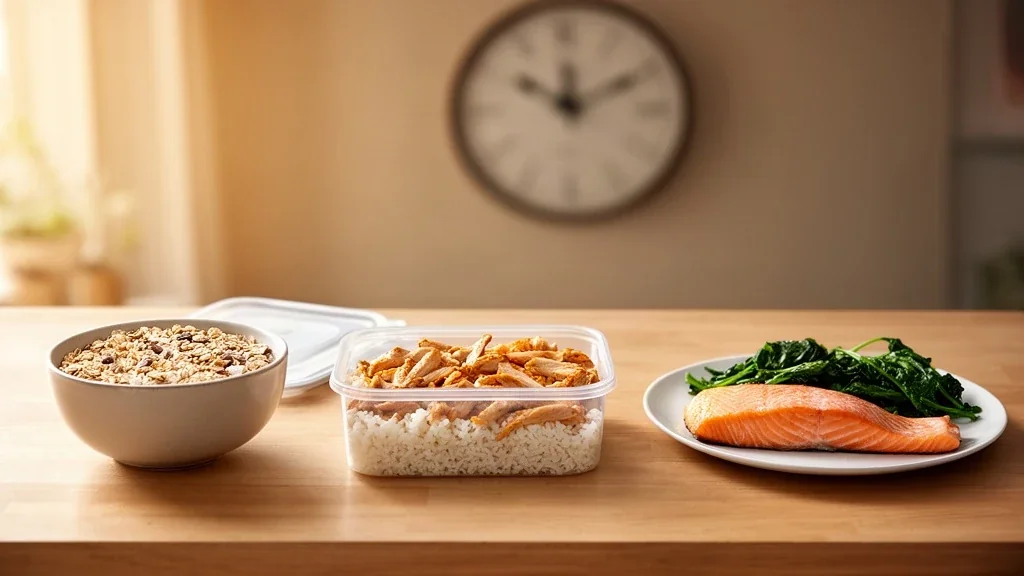
Does Meal Timing Actually Matter for Muscle Growth?
For decades, bodybuilders have obsessed over the “anabolic window”—the supposed 30-minute post-workout period where protein consumption is critical for gains.
The supplement industry built fortunes on this concept. But was it ever real?
Let’s break down what the research actually says about meal timing and muscle growth.
The Anabolic Window: Mostly Myth
The Old Belief: You must consume protein within 30-60 minutes post-workout or you’ll lose gains.
The Reality: The anabolic window is more like an “anabolic barn door”—it stays open for 4-6 hours, not 30 minutes.
Why the Myth Existed
Early research used fasted subjects training in the morning. In a fasted state, there’s no dietary amino acids in your bloodstream, so immediate post-workout protein does matter.
But most people eat before training. If you had a protein-containing meal 2-3 hours before your workout, you already have elevated amino acids circulating during and after training.
What Current Research Shows
The review by Aragon & Schoenfeld (2013) — the most-cited analysis of the post-exercise window — concluded:
- Total daily protein matters far more than timing
- Post-workout protein is beneficial, but the window is much wider than 30 minutes
- Pre-workout protein may be equally or more important than post-workout
Bottom Line: Don’t stress if you can’t chug a shake in the gym parking lot. As long as you eat protein within a few hours of training, you’re fine.
What Actually Matters: Protein Distribution
Evidence-Based Muscle Growth & Recovery Benchmarks
- Consume 1.6 to 2.2g protein per kg of body weight (0.73 to 1.0g per pound) spread over 3-4 daily meals.
- Take 3-5g pure creatine monohydrate daily to saturate intramuscular phosphocreatine reserves.
- Maintain progressive overload resistance training while supporting energy balance with complex starches.
Macro arithmetic verified against USDA FoodData Central and Atwater 4P+4C+9F standard.
While post-workout timing is overrated, how you distribute protein across the day absolutely matters for maximizing muscle protein synthesis (MPS).
The Muscle Protein Synthesis Refractory Period
Here’s the key mechanism:
- When you eat 20-40g protein, MPS spikes for 3-4 hours
- After that, MPS returns to baseline even if amino acids are still elevated
- You need to eat protein again to trigger another MPS spike
Practical Application: Space protein intake every 3-5 hours throughout the day.
Optimal Protein Distribution Example
Poor Distribution (same total protein):
- Breakfast: 10g
- Lunch: 20g
- Dinner: 120g
- Total: 150g (only 2 effective MPS spikes)
Optimal Distribution:
- Breakfast: 40g
- Lunch: 40g
- Dinner: 40g
- Snack: 30g
- Total: 150g (4 effective MPS spikes)
Same total protein, but the optimized version triggers muscle growth signals twice as often.
Minimum Protein Per Meal
The protein-per-meal evidence (Schoenfeld & Aragon 2018) suggests each meal should contain:
- Minimum: 20g protein to trigger MPS
- Optimal: 30-40g protein for maximum MPS
- Diminishing returns: above ~40-50g there’s little additional muscle-building benefit
Going above 50g per meal isn’t harmful, but you’re not getting additional muscle-building benefits—those extra grams would be better distributed across other meals.
Pre-Sleep Protein: The Underrated Strategy
One timing strategy that DOES have strong evidence: pre-sleep protein consumption.
Why It Works
- Sleep is a 6-8 hour fasting period
- Consuming 30-40g slow-digesting protein before bed maintains muscle protein synthesis overnight
- Casein protein (found in cottage cheese and Greek yogurt) digests slowly, providing steady amino acid release
The Research
The evidence on pre-sleep protein (Res et al. 2012) shows consuming 30-40g before bed:
- Increases overnight muscle protein synthesis
- Improves muscle recovery and adaptation
- Doesn’t impair sleep quality
Best Pre-Sleep Protein Sources:
- 1 cup cottage cheese (28g protein)
- Greek yogurt (20-25g protein)
- Casein protein shake (25-30g protein)
- Combination: cottage cheese + berries
Fasted Training: Should You Do It?
The Claim: Training fasted increases fat oxidation and human growth hormone.
The Reality: Yes, fat oxidation increases during fasted cardio, but this doesn’t translate to greater fat loss over 24 hours when total calories are controlled.
When Fasted Training Works
- Early morning sessions where eating beforehand would cause GI distress
- Short, lower-intensity workouts (under 60 minutes)
- Personal preference (some people feel better training fasted)
When You Should Eat First
- High-intensity or long-duration training (over 60 minutes)
- Strength training focused on progressive overload
- If fasted training impairs performance
The Research: When total daily calories and macros are matched, studies find no meaningful difference in body composition between fasted and fed training (Aragon & Schoenfeld 2013).
Intra-Workout Nutrition: Necessary or Overkill?
Who Needs It:
- Endurance athletes (training over 90 minutes)
- Bodybuilders doing very high-volume training (20+ sets)
- Athletes training multiple sessions per day
Who Doesn’t:
- Most people doing 60-minute gym sessions
- Anyone who ate a meal 2-3 hours before training
If You Do Use It:
- 30-50g fast-digesting carbs (Gatorade, gummy bears, dextrose)
- Optional: 10-20g protein for sessions over 90 minutes
The Hierarchy of Importance
When it comes to muscle growth, here’s what matters most (in order):
- Total daily protein (0.7-1g per lb bodyweight) - 60% of results
- Total daily calories (slight surplus for growth) - 25% of results
- Protein distribution (3-5 meals with 30-40g each) - 10% of results
- Resistance training stimulus - Essential foundation
- Specific meal timing (post-workout window) - 5% of results
Notice how meal timing is last? Get the first three right before obsessing over timing details.
Practical Meal Timing Framework
Here’s a simple, science-based meal timing approach:
For Most People:
- Eat 3-5 protein-rich meals spaced 3-5 hours apart
- Include 30-40g protein per meal
- Have one meal 2-3 hours before training
- Eat protein within 4-6 hours after training (which probably happens naturally)
- Consider 30-40g protein before bed
For Fasted Morning Trainers:
- Have protein-rich meal within 1-2 hours post-workout
- Spread remaining protein across 3-4 more meals
- Prioritize pre-sleep protein
Here’s the schedule on a clock, assuming a 7am workout:
| Time | What |
|---|---|
| 8:30am | 30-40g protein (post-workout) |
| 12:30pm | 30-40g protein |
| 5:30pm | 30-40g protein |
| 9:30pm | 30-40g protein (pre-sleep, slow-digesting) |
Four feedings, ~3-5 hours apart, each in the 20-40g range. That’s the whole timing strategy—the rest is hitting the daily total.
The Bottom Line
The anabolic window is largely overblown, but protein distribution throughout the day absolutely matters. Focus on:
- Hitting your total daily protein target
- Distributing protein evenly across 3-5 meals
- Getting 30-40g protein per meal minimum
- Not stressing about the exact post-workout timing
Meal timing is the cherry on top of the muscle-building sundae. Master total protein first, then optimize distribution, then worry about specific timing.
Sources
- Aragon & Schoenfeld 2013 — nutrient timing revisited
- Schoenfeld & Aragon 2018 — protein per meal for muscle-building
- Res et al. 2012 — protein ingestion before sleep
- Jäger et al. 2017 — ISSN Position Stand: protein and exercise
Want to see what meals naturally distribute protein throughout your day? Use our Macro Meal Reverser to find combinations that hit your targets.
Tools That Make This Easier
A few tools remove the guesswork from the math above:
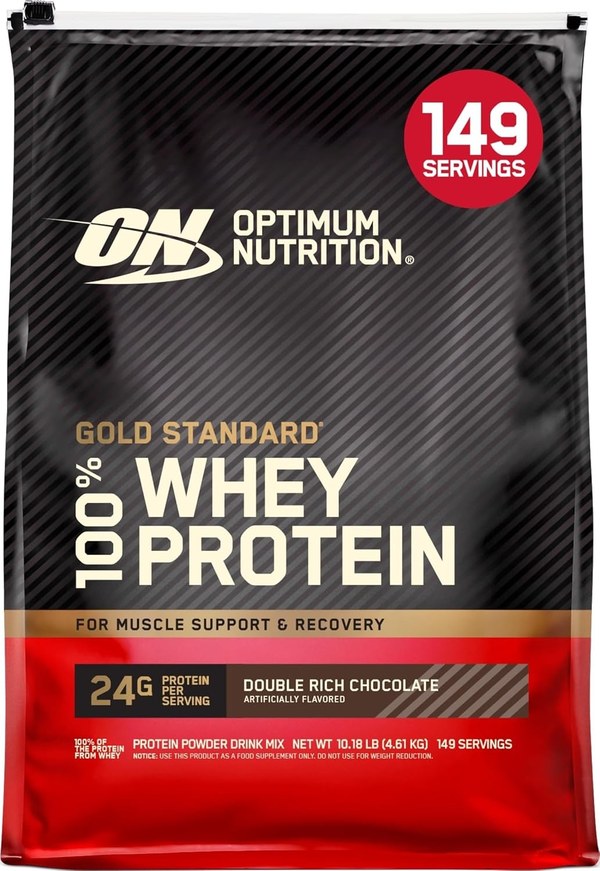 Optimum Nutrition Gold Standard 100% Whey (5 lb) — a measured protein hit no matter how you time your meals.
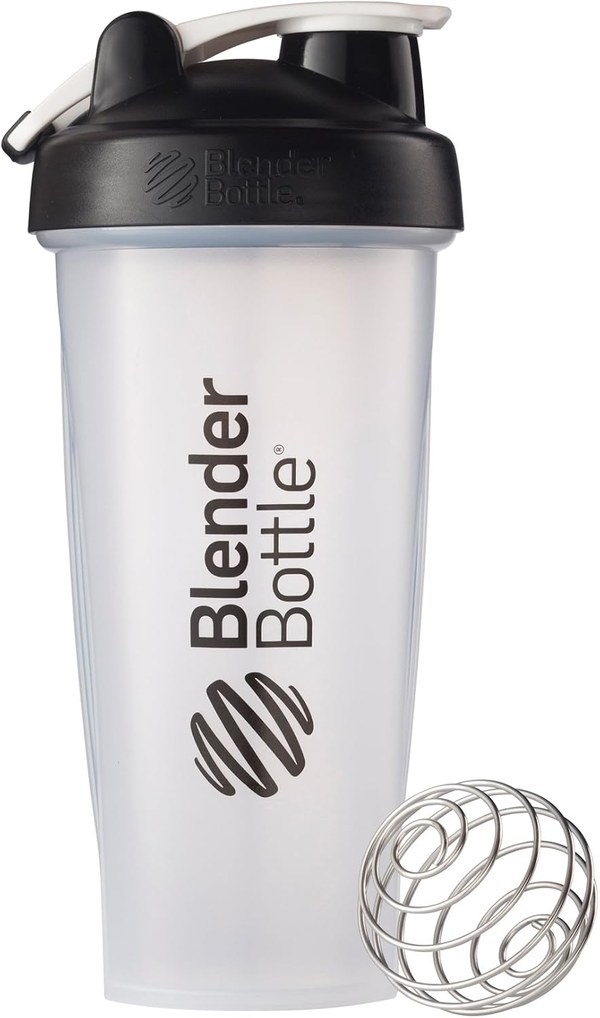 BlenderBottle Classic 28oz Shaker — mix a shake at whatever meal timing you choose.
Disclosure: as an Amazon Associate we earn from qualifying purchases. Prices are current as of writing and may change.