7 Macro Tracking Mistakes That Are Sabotaging Your Progress
You’re tracking macros religiously. Logging every meal. Hitting your numbers. But progress stalled weeks ago.
The problem? You’re probably making at least one of these seven critical tracking errors.
Mistake #1: Not Weighing Your Food
The Problem: “Eyeballing” portions leads to massive calorie errors. The research on reported vs. actual energy intake finds people consistently under-report what they eat (Livingstone & Black 2003).
The Fix: Buy a digital food scale. Weigh everything for 2-3 weeks to calibrate your eyeball estimates.
Real Example:
- Eyeballed “2 tbsp peanut butter”: 1.5 tbsp (142 cal)
- Actual 2 tbsp peanut butter: 32g (190 cal)
- Error: +48 calories per serving
Do this with 5-6 foods daily and you’re eating 200-300 extra calories without knowing it.
Mistake #2: Tracking Raw Weight Instead of Cooked
Core Nutrition Planning & Macro Balance Protocol
- Calculate daily energy expenditure using Mifflin-St Jeor formulas and adjust for target rate of change.
- Distribute protein evenly across breakfast, lunch, dinner, and snacks for continuous muscle protein synthesis.
- Use digital food scales and airtight meal prep containers to eliminate guesswork in weekly nutrition.
Macro arithmetic verified against USDA FoodData Central and Atwater 4P+4C+9F standard.
The Problem: Meat loses 20-30% of its weight when cooked due to water loss. If you weigh cooked meat but use raw nutritional values, you’re dramatically undercounting protein and calories.
The Fix: Choose one method and stick with it:
- Option A: Weigh raw, use raw nutrition data
- Option B: Weigh cooked, use cooked nutrition data (search “chicken breast cooked” in MyFitnessPal)
Real Example:
- 8 oz raw chicken breast: 54g protein
- 8 oz cooked chicken breast: 72g protein
- Error: -18g protein if you mix methods
Mistake #3: Forgetting “BLTs” (Bites, Licks, Tastes)
The Problem: That bite of your kid’s mac and cheese, the handful of chips while cooking, the sample at Costco—these add up to 300-500 calories daily.
The Fix: Either log every single bite (yes, really) or build a 200-300 calorie “buffer” into your daily targets.
Common BLT Culprits:
- Cooking oil spray (not zero calories—6 sprays = 30 cal)
- Coffee creamer (that “splash” is probably 50 cal)
- Tasting while cooking (50-100 cal)
- Kids’ leftover food (100-200 cal)
- Walking past the candy bowl (50-100 cal)
Mistake #4: Using Generic Database Entries
The Problem: MyFitnessPal has millions of user-submitted entries. Many are wildly inaccurate.
The Fix: Always scan barcodes or use verified entries (green checkmark). For whole foods, use USDA database entries.
Red Flags:
- Entries with suspiciously round numbers (100g chicken breast = exactly 100 cal?)
- Missing micronutrient data
- Entries that seem too good to be true
Pro Tip: Create custom foods for items you eat frequently. Verify nutrition once, use forever.
Mistake #5: Not Tracking Weekends
The Problem: You’re perfect Monday-Friday (1,800 cal/day = 9,000 cal). Then weekends hit and you eat 2,800 cal/day (5,600 cal). Weekly average: 2,086 cal/day—way above your target.
The Fix:
- Track every single day, including weekends
- If weekend tracking feels restrictive, use weekly calorie cycling
- Have one higher calorie day weekly (Saturday), but still track it
Reality Check: You can’t out-track a bad weekend. Consistency is everything.
Mistake #6: Ignoring Alcohol Calories
The Problem: Alcohol has 7 calories per gram—almost as much as fat (9 cal/g). Those “few drinks” on Friday are 400-800 calories of empty nutrition.
The Fix: Track alcohol and account for it in your macros:
- Option A: Track as carbs (divide alcohol calories by 4)
- Option B: Track as fats (divide alcohol calories by 9)
- Option C: Reduce other macros to fit alcohol into your budget
Alcohol Calorie Reality:
- 5 oz wine: 125 cal
- 12 oz light beer: 100 cal
- 12 oz IPA: 200 cal
- 1.5 oz vodka: 97 cal
- Cocktail with mixer: 200-400 cal
Mistake #7: Trusting Restaurant “Nutrition Info”
The Problem: Restaurant nutrition labels are estimates, and several audits have found the real plate often lands above the listed figure—more oil, butter, and sauce than the corporate recipe specifies.
The Fix:
- Treat any restaurant calorie number as a floor, not a ceiling
- Prioritize meals where you can see preparation (grilled items, simple salads)
- If eating out frequently, accept that precision is impossible—focus on overall consistency
High-Risk Restaurant Foods:
- Salads (dressing = 300-500 cal)
- “Grilled” chicken (often cooked in butter)
- Side vegetables (swimming in oil)
- Any sauce (200-400 cal per serving)
What Good Tracking Actually Looks Like
A correctly-tracked day is boring. Here’s one, with the decisions that keep it accurate:
| Meal | What you log | The decision |
|---|---|---|
| Breakfast | 3 eggs (weighed), 2 slices toast (weighed), 1 tbsp butter | Weigh, don’t eyeball |
| Lunch | 8oz raw chicken breast, 1 cup rice (dry weight) | One method for raw vs. cooked |
| Snack | 2 tbsp peanut butter (leveled) | Measure, don’t scoop |
| Dinner | Restaurant grilled salmon + rice | Treat the label as a floor |
The difference between this and the error-prone version is about 300-400 calories a day—the exact gap that decides whether a deficit works.
Run it through the Macro Meal Reverser with your own numbers and you’ll see the same pattern: when your meals are logged accurately, the tool’s combinations actually match what you eat.
The Bottom Line: Track Smarter, Not Harder
Macro tracking doesn’t need to consume your life, but it does require accuracy. Fix these seven mistakes and you’ll finally see the progress your effort deserves.
Here’s the whole list at a glance, with the fix and the size of the error it removes:
| Mistake | The error it hides | The fix |
|---|---|---|
| Not weighing food | ~200-300 cal/day | Weigh for 2-3 weeks |
| Raw vs. cooked confusion | ~18g protein miscount | Pick one, stick to it |
| BLTs (bites, licks, tastes) | 300-500 cal/day | Log them or build a buffer |
| Generic database entries | Wildly wrong macros | USDA entries / barcodes |
| Not tracking weekends | Weekly target blown | Track every day |
| Ignoring alcohol | 400-800 cal Friday | Track it as carbs/fats |
| Trusting restaurant labels | Understated meals | Treat as a floor |
The pattern across all seven: the error always favors your appetite, never your target.
Action Steps This Week:
- Buy a food scale if you don’t have one
- Audit your last 3 days of tracking for these mistakes
- Create custom foods for your top 10 most-eaten items
- Track one full weekend at normal eating patterns
Most people don’t have a macro problem—they have a tracking accuracy problem. Fix your tracking, and your results will follow.
Sources
Not sure what meals hit your macros? Use our Macro Meal Reverser to discover perfect meal combinations for your targets.
Tools That Make This Easier
A few tools remove the guesswork from the math above:
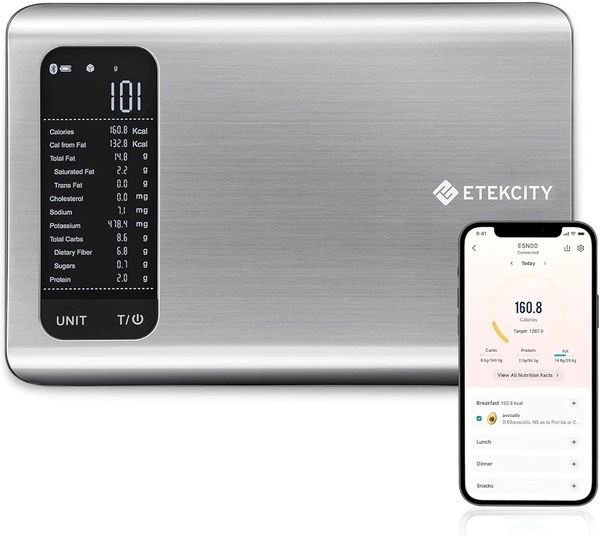 Etekcity Smart Nutrition Food Scale — eliminates the portion-guessing that causes most tracking mistakes.
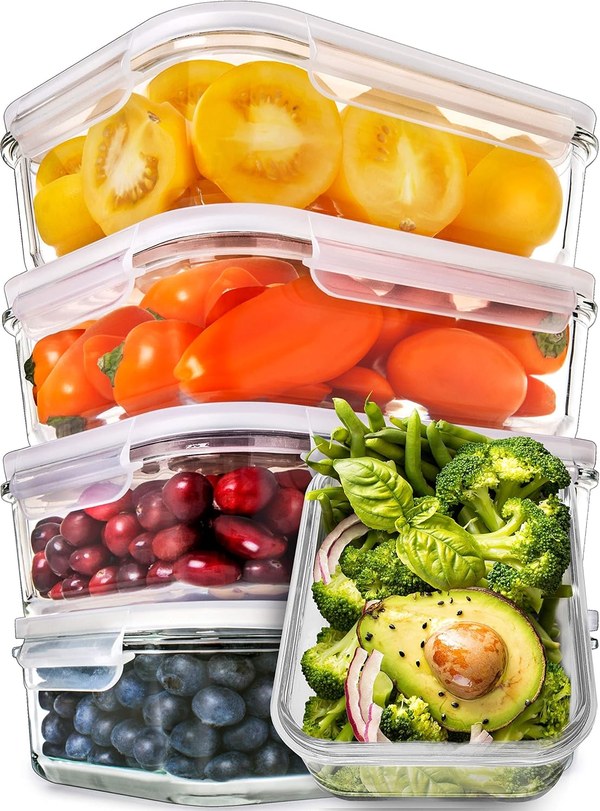 Prep Naturals Glass Meal Prep Containers (30oz, 5-Pack) — pre-portions meals so you stop eyeballing servings.
Disclosure: as an Amazon Associate we earn from qualifying purchases. Prices are current as of writing and may change.