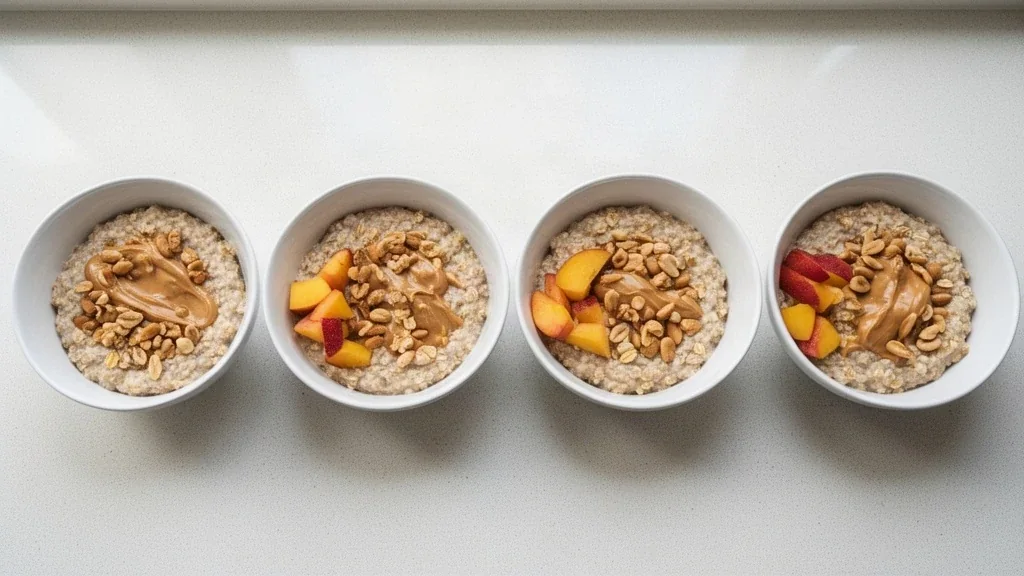
Reverse Dieting: How to Exit a Cut Without Getting Fat
You finally did it. After months of dieting, you’re lean. Abs visible. Veins popping. The exact physique you worked for.
Now what?
If you immediately return to your pre-diet eating habits, you’ll regain everything (plus extra) within weeks. This isn’t a lack of willpower—it’s biology.
The solution? Reverse dieting. Here’s exactly how to do it.
Why You Can’t Just “Eat Normal” Again
After an extended calorie deficit, your body undergoes several metabolic adaptations:
1. Metabolic Adaptation (Adaptive Thermogenesis) Your metabolic rate drops beyond what weight loss alone explains. The famous Biggest Loser follow-up found contestants’ metabolisms stayed suppressed for years, burning hundreds of calories a day less than their body size predicted.
2. Increased Hunger Hormones After weight loss, the hormones that drive appetite shift the wrong way (Sumithran et al. 2011):
- Ghrelin (hunger hormone) rises
- Leptin (satiety hormone) falls
- Result: you’re hungrier than before you started dieting
3. Decreased NEAT (Non-Exercise Activity Thermogenesis) You unconsciously move less—fidgeting less, taking elevators instead of stairs, sitting more. This can reduce daily calorie burn by 200-400 calories.
4. Increased Nutrient Partitioning to Fat Your body prioritizes storing incoming calories as fat to protect against future “starvation.” This is an evolutionary survival mechanism.
The Result: If you jump from a 1,800-calorie diet to 2,800 calories overnight, your suppressed metabolism combined with increased fat storage means rapid fat gain—often exceeding your pre-diet weight.
What Is Reverse Dieting?
Core Nutrition Planning & Macro Balance Protocol
- Calculate daily energy expenditure using Mifflin-St Jeor formulas and adjust for target rate of change.
- Distribute protein evenly across breakfast, lunch, dinner, and snacks for continuous muscle protein synthesis.
- Use digital food scales and airtight meal prep containers to eliminate guesswork in weekly nutrition.
Macro arithmetic verified against USDA FoodData Central and Atwater 4P+4C+9F standard.
Reverse dieting is the systematic, gradual increase of calories after a diet to:
- Restore metabolic rate
- Minimize fat regain
- Maintain your hard-earned physique
- Transition to maintenance calories safely
Think of it as “controlled refeeding.”
The 12-Week Reverse Diet Protocol
Weeks 1-2: Initial Assessment
Starting Point:
- Current calories: Your ending diet calories (e.g., 1,800)
- Current macros: Note your protein/carbs/fats
- Weigh yourself daily, calculate weekly average
- Track waist measurement
Action:
- Increase calories by 100-150/day
- Add 25-30g carbs, keep protein constant, add small amount of fat
- New intake: 1,900-1,950 calories
Expected Results:
- Weight may spike 2-4 lbs (mostly glycogen and water)
- Don’t panic—this isn’t fat
Weeks 3-4: Continue Gradual Increases
Action:
- If weight is stable or increasing slowly (under 0.5 lb/week), add another 100-150 cal
- New intake: 2,000-2,100 calories
Focus:
- Prioritize carbs (they restore leptin and refuel training)
- Keep protein high (0.8-1g per lb bodyweight)
- Add fats minimally
Weeks 5-8: Finding Your Maintenance Sweet Spot
Action:
- Continue 100-150 cal increases every 1-2 weeks
- Monitor weight and waist measurements closely
Red Flags:
- Gaining more than 0.5-0.75 lbs/week average
- Waist increasing more than 0.25 inches/week
If Red Flags Appear:
- Pause calorie increases for 2-3 weeks
- Let body adapt to current intake
- Then resume gradual increases
Weeks 9-12: Stabilization
Goal:
- Find true maintenance calories (weight stable for 2-3 weeks)
- Most people land 300-600 calories above diet ending point
Example:
- Diet ending calories: 1,800
- Post-reverse diet maintenance: 2,200-2,400
Macronutrient Priority During Reverse Diet
Protein: Keep It High
- Maintain 0.8-1g per lb bodyweight throughout
- Protein prevents muscle loss and increases satiety
Carbs: Increase These First
- Carbs restore leptin, refuel glycogen, improve training
- Add 20-30g carbs per week initially
- Prioritize around workouts
Fats: Increase Slowly
- Fats are calorie-dense (9 cal/g vs 4 cal/g for carbs/protein)
- Add fats last to avoid overshooting calories
- Minimum: 0.3-0.4g per lb bodyweight for hormone health
Training During Reverse Diet
Do:
- Maintain or slightly increase training volume
- Focus on progressive overload
- Add conditioning if metabolic adaptation was severe
Don’t:
- Dramatically reduce training (this signals no need for muscle)
- Do only cardio (you need to give your body a reason to keep muscle)
Why: Your body decides calorie allocation based on stimulus. If you’re not training hard, those extra calories go to fat storage, not muscle maintenance.
Common Reverse Dieting Mistakes
Mistake #1: Increasing Calories Too Fast
The Problem: Adding 500 calories overnight overwhelms your adapted metabolism.
The Fix: Patience. 100-150 cal increases every 1-2 weeks.
Mistake #2: Stopping When Weight Increases
The Problem: Initial weight gain is normal (glycogen + water). Stopping too early keeps you at suppressed metabolism.
The Fix: Expect 2-5 lbs of initial water weight. Focus on weekly averages and waist measurements.
Mistake #3: Neglecting Training
The Problem: Reducing training volume signals your body doesn’t need to maintain muscle mass.
The Fix: Keep training volume equal to or slightly above diet levels.
Mistake #4: Going Too Long
The Problem: Reverse dieting for 6+ months keeps you in a psychological diet mindset.
The Fix: Most people should complete reverse diet in 8-16 weeks maximum.
Mistake #5: Dirty Bulking After
The Problem: Successfully reverse dieting, then immediately starting an aggressive bulk.
The Fix: Maintain your new maintenance calories for 4-8 weeks before considering a surplus.
Who Should Reverse Diet?
Definitely Reverse Diet If:
- You dieted for 12+ weeks
- You lost 15+ lbs
- You cut to very lean levels (men under 10%, women under 18% body fat)
- You experienced extreme hunger during diet
- Your strength decreased significantly
Maybe Skip Reverse Dieting If:
- You dieted for under 8 weeks
- You only lost 5-10 lbs
- You didn’t experience severe metabolic adaptation signs
- You’re ready to maintain or bulk immediately
Alternative: Diet Breaks
Instead of one long diet followed by reverse dieting, consider implementing diet breaks:
Protocol:
- Diet for 6-8 weeks
- Take 10-14 day break at maintenance
- Resume diet
- Repeat
Benefits:
- Prevents severe metabolic adaptation
- Makes diet more psychologically sustainable
- May not require formal reverse diet afterward
Tracking Your Reverse Diet
Essential Metrics:
- Daily weight (calculate weekly average)
- Waist measurement (weekly)
- Progress photos (biweekly)
- Gym performance (strength/reps)
Optional Metrics:
- RMR testing (expensive, but shows actual metabolic rate)
- Body composition scans (DEXA)
- Daily step count (to monitor NEAT)
Sample Reverse Diet Progression
Starting Point: 180 lb male, 1,800 calories at end of cut
| Week | Calories | Protein | Carbs | Fats | Weight | Notes |
|---|---|---|---|---|---|---|
| 1-2 | 1,900 | 180g | 175g | 50g | 181 lb | Water weight spike |
| 3-4 | 2,000 | 180g | 200g | 50g | 182 lb | Weight stabilizing |
| 5-6 | 2,100 | 180g | 225g | 50g | 183 lb | Good progress |
| 7-8 | 2,200 | 180g | 245g | 55g | 184 lb | Strength increasing |
| 9-10 | 2,300 | 180g | 265g | 58g | 184 lb | Weight stable |
| 11-12 | 2,400 | 180g | 285g | 60g | 185 lb | Maintenance found |
The Bottom Line
Reverse dieting isn’t sexy. It requires the same discipline as dieting itself. But it’s the difference between keeping your results and watching them disappear.
Key principles:
- Increase calories slowly (100-150 per week)
- Prioritize carb increases first
- Keep protein high throughout
- Maintain training intensity
- Monitor weekly averages, not daily fluctuations
- Plan for 8-16 weeks total
The physique you worked months to achieve deserves a proper exit strategy. Reverse dieting is that strategy.
Sources
- Fothergill et al. 2016 — persistent metabolic adaptation after weight loss
- Sumithran et al. 2011 — hormonal adaptations to weight loss
Need help planning meals that hit your reverse diet macros? Use our Macro Meal Reverser to find perfect meal combinations at each calorie level.
Tools That Make This Easier
A few tools remove the guesswork from the math above:
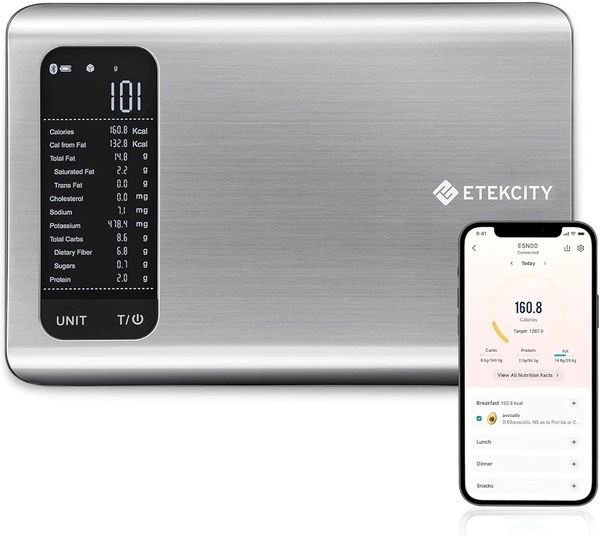 Etekcity Smart Nutrition Food Scale — weighs the small increments as you add calories back.
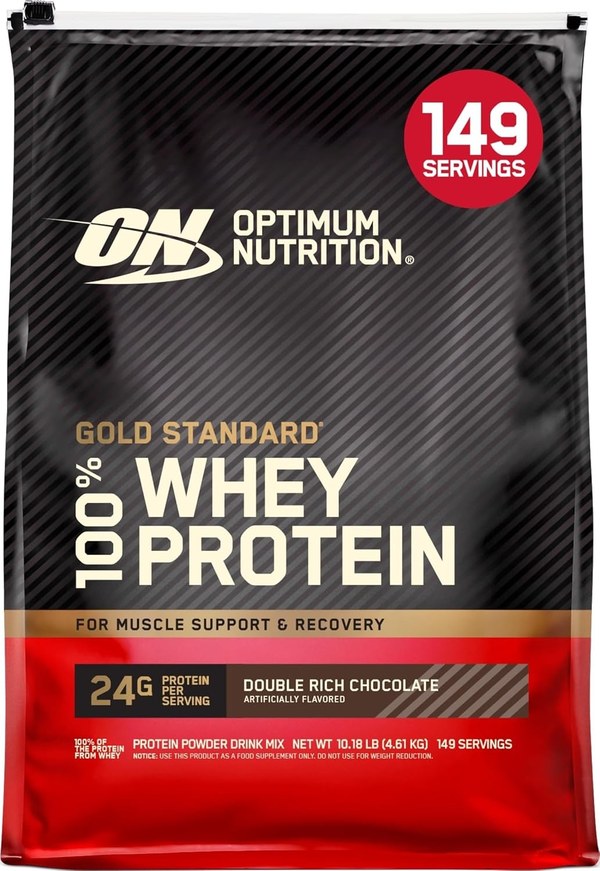 Optimum Nutrition Gold Standard 100% Whey (5 lb) — an easy measured way to ramp protein and calories back up.
Disclosure: as an Amazon Associate we earn from qualifying purchases. Prices are current as of writing and may change.