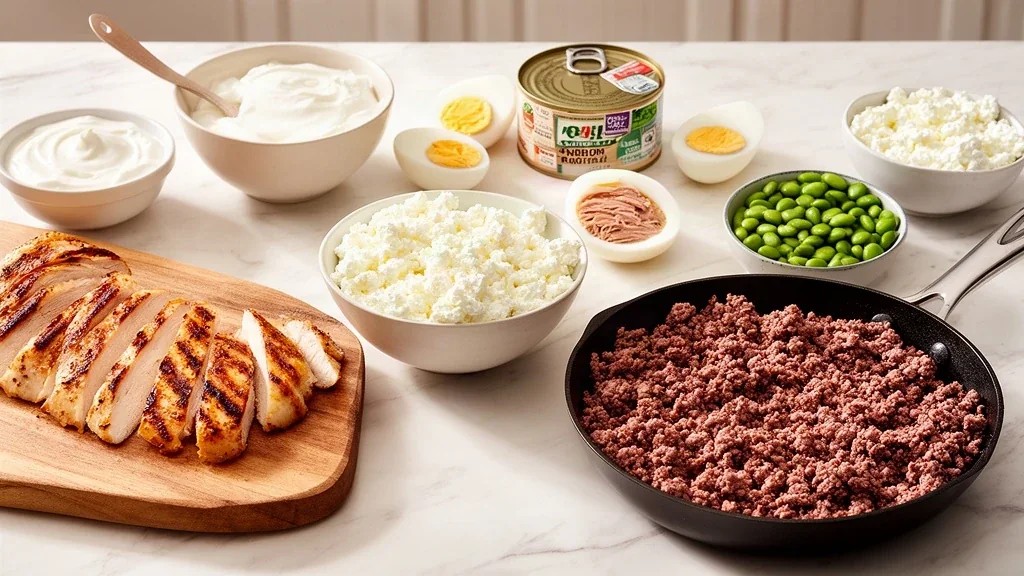
How to Actually Hit 200g of Protein Per Day (Without Protein Shakes)
If you’re trying to build muscle, the International Society of Sports Nutrition points to a target of roughly 0.7-1g of protein per pound of bodyweight (about 1.6-2.2g per kg) for people who train. For a 200lb person, that’s 140-200g daily. But here’s the problem: hitting 200g feels impossible without chugging protein shakes all day.
Good news—it’s not. Here’s exactly how to do it using whole foods.
Why 200g of Protein?
Before the how, the why. Higher protein intake (above 0.7g/lb) does a few specific jobs:
- Keeps muscle protein synthesis topped up. The dose-response evidence shows 20-40g per meal maximally stimulates muscle protein synthesis, and spreading that across the day keeps it elevated rather than spiking once (Moore et al. 2009).
- It’s the most filling macronutrient, which makes a calorie deficit easier to stick to.
- Higher thermic effect. Your body burns more calories digesting protein than it does carbs or fat.
- Muscle preservation during cuts. When you’re in a deficit, a higher protein target helps hold onto lean mass.
None of this needs shakes. It needs planning.
How Much Protein Do You Actually Need?
Core Nutrition Planning & Macro Balance Protocol
- Calculate daily energy expenditure using Mifflin-St Jeor formulas and adjust for target rate of change.
- Distribute protein evenly across breakfast, lunch, dinner, and snacks for continuous muscle protein synthesis.
- Use digital food scales and airtight meal prep containers to eliminate guesswork in weekly nutrition.
Macro arithmetic verified against USDA FoodData Central and Atwater 4P+4C+9F standard.
The 200g target assumes a 200lb person at the high end of the ISSN range. Your number depends on three things:
- Bodyweight. The 0.7-1g per pound range scales with you. A 150lb person at 1g/lb needs 150g, not 200g.
- Training and goal. People cutting, or training hard for muscle gain, sit at the high end; maintenance sits lower.
- Age. Older adults get less muscle protein synthesis per gram of protein, so the per-meal target edges up toward 30-40g.
Pick your target first, then treat everything below as a template you scale: same structure, your numbers.
The 200g Protein Daily Framework
Here’s a sample day that hits 200g without supplements:
Breakfast (50g protein)
- 4 whole eggs: 24g
- 4 oz turkey sausage: 20g
- 2 slices whole wheat toast with 2 tbsp peanut butter: 6g
Total: 50g protein, ~600 calories
Lunch (55g protein)
- 8 oz grilled chicken breast: 54g
- 1 cup white rice: 4g
- Steamed broccoli
Total: 58g protein, ~550 calories
Dinner (60g protein)
- 8 oz sirloin steak: 56g
- Large baked potato: 8g
- Side salad
Total: 64g protein, ~650 calories
Snacks (35g protein)
- 1 cup cottage cheese: 28g
- 1/4 cup almonds: 8g
Total: 36g protein, ~350 calories
Daily Total: 208g protein, ~2,150 calories
The macros across the day:
| Meal | Protein | Carbs | Fats | Calories |
|---|---|---|---|---|
| Breakfast | 50g | ~40g | ~30g | ~600 |
| Lunch | 58g | ~50g | ~8g | ~550 |
| Dinner | 64g | ~65g | ~20g | ~650 |
| Snacks | 36g | ~20g | ~20g | ~350 |
| Total | 208g | ~175g | ~78g | ~2,150 |
Food numbers are estimates—brand, cut, and cooking method move them. Weigh what you can’t estimate; exact numbers matter less than the protein total.
Key Strategies That Make This Work
1. Protein-First Eating
At every meal, eat your protein source first before touching carbs. You’ll hit your protein before appetite makes room for more filling foods.
2. Strategic Protein Distribution
Protein is spread across four eating occasions. This matches the research on protein per meal: 20-40g per sitting is the range that maximally stimulates muscle protein synthesis (Moore et al. 2009, Schoenfeld & Aragon 2018). Eating 200g in one sitting doesn’t “waste” anything, but it also doesn’t buy more muscle—spread it out instead.
3. Leverage Protein-Dense Foods
Foods with the best protein-to-calorie ratio:
- Chicken breast: ~26g protein per 100 calories
- Egg whites: ~25g protein per 100 calories
- Greek yogurt (nonfat): ~17g protein per 100 calories
- Cottage cheese (lowfat): ~16g protein per 100 calories
- Tuna: ~23g protein per 100 calories
USDA FoodData Central (fdc.nal.usda.gov) is the reference for these numbers when you need to verify a specific food.
4. Double Protein Portions
Most people underestimate protein portions. A proper serving of meat is 6-8oz, not 3-4oz. Weigh your food for a couple of weeks until you can eyeball portions accurately.
5. Meal Prep Is Non-Negotiable
Cook proteins in bulk twice weekly:
- Sunday: grill 5 lbs chicken breast
- Wednesday: cook 3 lbs ground turkey
Ready-to-eat protein removes the “I don’t have time” excuse.
Protein Quality: Complete vs. Incomplete
Not all protein grams are equal for muscle building. What matters is the amino acid profile, especially leucine—the trigger for muscle protein synthesis:
- Complete proteins (eggs, dairy, meat, fish, soy) carry all nine essential amino acids, so a 30g serving delivers a full dose.
- Incomplete proteins (most grains, beans, nuts) are lower in one or more essential amino acids. You can still hit your total by combining them (beans + rice, peanut butter + bread), but you’ll need slightly more total grams to get the same leucine.
Practical takeaway: if a chunk of your 200g comes from plants, bump the target or pair complementary sources at the same meal. The framework below leans on complete proteins for exactly this reason.
Swaps for the Same 200g
The framework above is chicken-and-beef heavy. Same targets, different plate.
Budget:
- Eggs, canned tuna, Greek yogurt, and chicken thighs instead of steak and salmon.
Dairy-free:
- Swap cottage cheese for a can of tuna or a tofu scramble.
A full vegetarian day (protein figures are approximate—verify with USDA FoodData Central):
| Meal | Foods | Protein (approx) |
|---|---|---|
| Breakfast | 1.5 cups nonfat Greek yogurt + granola + berries | 40g |
| Lunch | Lentils + quinoa + feta + spinach | 43g |
| Dinner | Tofu scramble + black beans + rice + cheese | 47g |
| Snacks | Cottage cheese + almonds + a second Greek yogurt | 58g |
| Total | ~188g |
Add a protein bar or a larger tofu portion at dinner to close the last 12g. The protein-per-calorie ranking from above is the swap engine—sub in any food with a similar ratio and the day still lands.
Adjust the Day, Not the Whole Plan
Change one variable at a time so the day stays predictable:
| Want to change | Do this |
|---|---|
| More protein (+20g) | Add one Greek yogurt serving or a can of tuna |
| Fewer calories | Swap peanut butter for PB2 or drop a snack |
| More carbs for training | Add a cup of rice or a potato to lunch |
| Less fat | Switch sirloin for chicken breast, almonds for fruit |
Build It In The Calculator
Take the day above and set the tool to your numbers: protein 200, carbs 180, fats 80, calories 2,200. The Macro Meal Reverser searches its meal database for combinations that fit—not just whole days, but quick one- and two-meal matches when you need to close a gap at dinner. It’s the same framework, automated: you give it targets, it hands back meals with a match percentage so you can see exactly how close each plan lands.
What If You’re Still Hungry?
This framework lands around 2,150 calories. If you need more:
- Add healthy fats (avocado, olive oil, nuts)
- Increase carb portions (rice, potatoes, oats)
- Don’t reduce protein to make room for more food
Common Mistakes to Avoid
Mistake #1: Eating the same protein sources daily Rotate between chicken, beef, fish, pork, eggs, and dairy so you get different amino acid and micronutrient profiles.
Mistake #2: Forgetting vegetables High-protein diets can cause digestive issues without enough fiber. Aim for 25-35g fiber daily from vegetables.
Mistake #3: Not tracking initially Use a food scale for 2-3 weeks to calibrate portions. Most people significantly overestimate their protein intake.
Mistake #4: Skipping breakfast Eating protein early sets up the day; it’s one of the four MPS-spiking occasions the framework depends on.
Hitting Protein at Restaurants
Eating out doesn’t have to derail the day. The rules that survive a menu:
- Order the protein, not the dish. A double chicken breast, an extra grilled salmon fillet, or a burger patty ordered “plain” lands more protein than any named entree.
- Chipotle-style bowls are the easy win. Double protein, light rice, one sauce—predictable macros.
- Sushi: skip the rolls and order sashimi, or add a second protein.
- Breakfast spots: eggs any style, egg-white omelets, and a side of sausage or ham.
Treat restaurant calories as a floor and lean on the same 20-40g-per-meal habit; the framework holds even when the exact grams don’t.
The Bottom Line
Hitting 200g protein daily without shakes comes down to:
- Proper portion sizes (6-8oz protein per meal)
- Strategic meal timing (every 3-4 hours, 20-40g per meal)
- Meal prep consistency
- Protein-first eating habits
It’s challenging at first, but after 2-3 weeks the rhythm becomes automatic.
Sources
- Jäger et al. 2017 — ISSN Position Stand: protein and exercise
- Moore et al. 2009 — protein dose response after resistance exercise
- Schoenfeld & Aragon 2018 — protein per meal for muscle-building
- USDA FoodData Central
Try the meal framework above for one week and track your progress. Use our Macro Meal Reverser to see what meal combinations hit your exact protein targets.
Tools That Make This Easier
A few tools remove the guesswork from the math above:
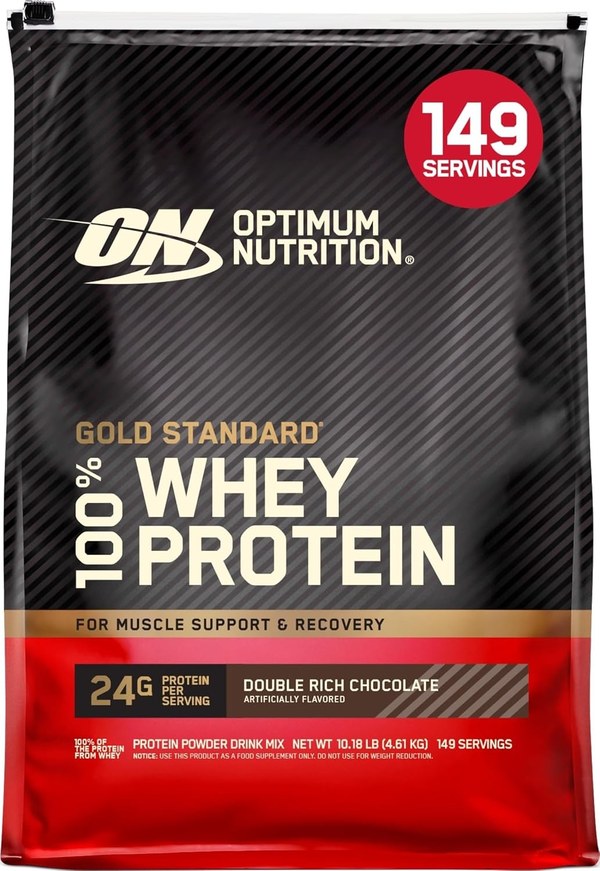 Optimum Nutrition Gold Standard 100% Whey (5 lb) — hits the 200g protein target this guide is built around.
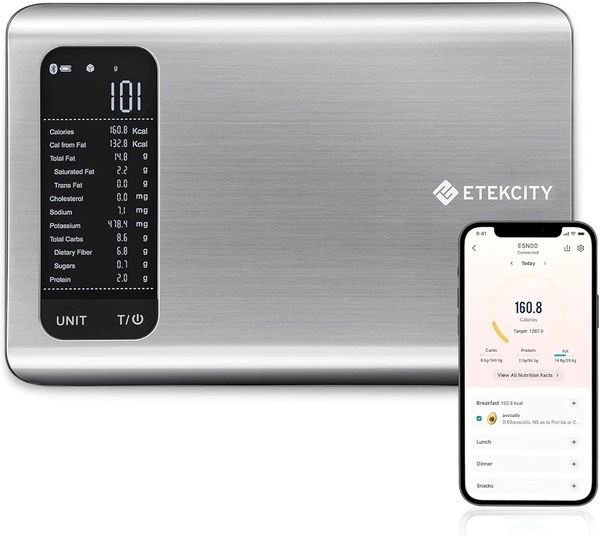 Etekcity Smart Nutrition Food Scale — weighs the portions that get you to 200g without guesswork.
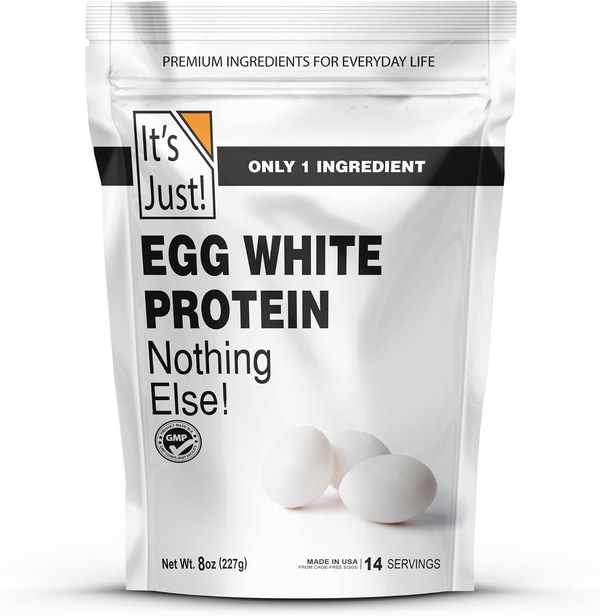 It’s Just! Egg White Protein Powder — a lean protein add-in for the egg-heavy meals here.
Disclosure: as an Amazon Associate we earn from qualifying purchases. Prices are current as of writing and may change.