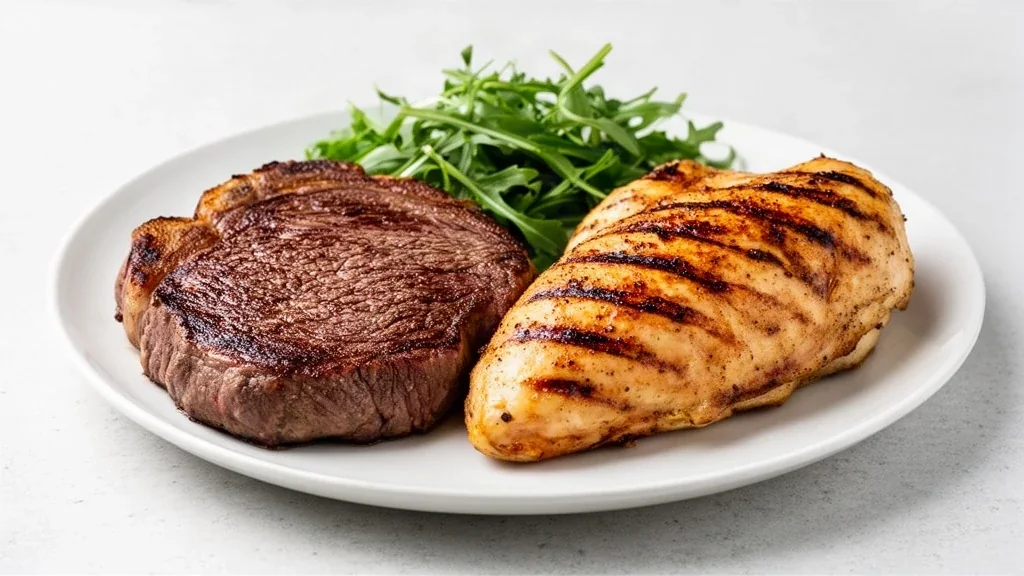
The 30g Protein Per Meal Myth: What Science Really Says
“Your body can only absorb 30g of protein per meal.”
You’ve heard this from gym bros, fitness influencers, and maybe even your trainer. It’s one of the most persistent myths in nutrition.
The implication? Eating 50g of protein in one meal means 20g goes to waste—straight to the toilet.
Here’s the truth: It’s complete nonsense. Let’s break down what science actually says.
Where This Myth Came From
The “30g protein limit” originated from a misunderstanding of muscle protein synthesis (MPS) research.
The Actual Research
A landmark 2009 study by Moore et al. examined MPS response to different protein doses after resistance training:
- 0g protein: minimal MPS
- 20g protein: significant MPS increase
- 40g protein: maximal MPS increase
- Higher doses: no additional MPS benefit
The Conclusion: 20-40g protein maximally stimulates muscle protein synthesis in a single feeding.
The Myth: People incorrectly interpreted “maximal MPS stimulation” as “protein absorption limit.”
These are completely different concepts.
Absorption vs. Utilization: The Critical Difference
Core Nutrition Planning & Macro Balance Protocol
- Calculate daily energy expenditure using Mifflin-St Jeor formulas and adjust for target rate of change.
- Distribute protein evenly across breakfast, lunch, dinner, and snacks for continuous muscle protein synthesis.
- Use digital food scales and airtight meal prep containers to eliminate guesswork in weekly nutrition.
Macro arithmetic verified against USDA FoodData Central and Atwater 4P+4C+9F standard.
Protein Absorption
Definition: Your digestive system breaking down protein into amino acids and absorbing them into the bloodstream.
Reality: Your body absorbs essentially all protein you eat. Digestion is remarkably efficient—the amino acids from a large protein meal are absorbed and enter the bloodstream over many hours rather than being “capped” at some per-meal limit.
Timeline: Protein digestion and absorption can take 24-36 hours. Your intestines keep processing that 100g protein meal slowly over many hours.
Protein Utilization for Muscle Building
Definition: How much absorbed protein is directed toward muscle protein synthesis.
Reality: There IS a ceiling for MPS per meal (around 20-40g depending on factors below). But protein not immediately used for MPS isn’t wasted—it has many other important roles.
Where “Excess” Protein Actually Goes
When you eat protein beyond what maximally stimulates MPS in that moment, it’s not wasted. Here’s where it goes:
1. Other Tissue Protein Synthesis
Muscle isn’t the only tissue using protein:
- Skin, hair, nails
- Organs (liver, kidneys, heart)
- Immune cells
- Digestive enzymes
- Hormones
2. Gluconeogenesis (Energy)
Excess amino acids can be converted to glucose for energy. This process (gluconeogenesis) provides fuel, especially during calorie deficits.
3. Oxidation for Energy
Amino acids can be directly oxidized for energy, similar to carbs and fats.
4. Immune Function
Your immune system constantly produces new white blood cells and antibodies—all protein-based.
5. General Protein Turnover
Your body breaks down and rebuilds 200-300g of body protein daily (protein turnover). Dietary protein supports this constant remodeling.
Factors That Influence Protein Utilization
The amount of protein that maximally stimulates MPS isn’t a fixed 30g. It varies based on:
1. Body Size and Muscle Mass
- A 220 lb bodybuilder needs more protein per meal than a 140 lb beginner
- Rule of thumb: 0.25-0.4g per kg bodyweight per meal
- 150 lb person: 17-27g per meal
- 200 lb person: 23-36g per meal
- 250 lb person: 28-45g per meal
2. Training Status
- Trained individuals may benefit from higher per-meal protein (30-40g)
- Beginners may maximize MPS with lower amounts (20-25g)
3. Age
- Older adults (50+) have “anabolic resistance”
- They need 30-40g protein per meal vs. 20-30g for younger adults
- This combats age-related muscle loss (sarcopenia)
4. Protein Source Quality
- Complete proteins (animal sources): 20-30g sufficient
- Incomplete proteins (plant sources): 30-40g may be needed
- Leucine content matters—whey protein is particularly effective at lower doses
5. Training Proximity
- Post-workout: muscles are primed to use protein (20-40g optimal)
- Hours away from training: MPS response is lower
The Meal Frequency Debate
If MPS maxes out at 20-40g per meal, should you eat protein every 2-3 hours?
The Research Says
- More frequent feeding (4-6 times daily) slightly favors muscle growth over 2-3 meals daily
- But the difference is small (maybe 5-10%)
- Total daily protein matters far more than distribution
Practical Recommendations
For Maximum Optimization:
- 4-5 protein-rich meals daily
- 25-40g protein per meal
- Spaced 3-5 hours apart
For Real Life:
- 3-4 protein-rich meals daily
- 30-50g protein per meal
- Don’t stress if meals aren’t perfectly timed
Still Effective:
- 2 large protein meals daily
- 60-80g protein per meal
- Better than 1 meal with all 150g protein, but not dramatically so
The OMAD (One Meal A Day) Protein Question
“If I eat 150g protein in one meal, do I still build muscle?”
Short Answer: Yes, you’ll still absorb and use it all, but muscle building may be slightly less optimal than spreading protein across multiple meals.
Studies Show:
- People eating all protein in 1-2 meals still gain muscle
- Those spreading protein across 4-5 meals gain slightly more
- The difference in real-world results is minor (probably under 10%)
Bottom Line: Meal timing optimization matters, but not enough to stress about if your lifestyle requires fewer meals.
Protein Type and Digestion Speed
Different proteins digest at different rates, affecting utilization:
Fast-Digesting (1-2 hours):
- Whey protein
- Egg whites
- Fish
Medium-Digesting (2-3 hours):
- Chicken
- Turkey
- Lean beef
Slow-Digesting (4-6 hours):
- Casein protein
- Cottage cheese
- Steak
Implication: A large meal with slow-digesting proteins (like steak) provides steady amino acid release for hours, potentially extending the MPS window.
The High-Protein Meal Research
The direct answer to “how much protein can one meal use?” comes from the review by Schoenfeld & Aragon (2018). Their conclusion:
- MPS per meal tops out around 20-40g, depending on body size, age, and training status
- The “ceiling” applies to the muscle-building response, not to absorption
- Protein above that per-meal amount is still fully absorbed and used for other functions—energy, other tissues, and general turnover—not “wasted” or excreted
A single 70-100g protein meal doesn’t cause protein waste. It just doesn’t stimulate more muscle building than a 40g dose would.
Conclusion: High-protein meals don’t cause protein waste. They just don’t stimulate MORE muscle building than moderate doses (40g).
Practical Protein Guidelines
Based on all available research, here’s what actually matters:
Priority #1: Total Daily Protein
- 0.7-1g per lb bodyweight
- 150 lb person: 105-150g daily
- 200 lb person: 140-200g daily
Priority #2: Distribute Reasonably
- 3-5 meals with protein
- 25-50g per meal
- Spaced throughout the day
Priority #3: Don’t Sweat the Details
- Having 60g in one meal? Totally fine
- Missing a meal and eating more later? Not a big deal
- Focus on daily totals first, optimization second
Common Scenarios Debunked
“I eat 60g protein for dinner—is 30g wasted?” No. All 60g is absorbed and used. It just doesn’t stimulate MORE muscle growth than 40g would in that moment.
“Should I split my 50g protein shake into two 25g servings?” Only if you want to. The difference in muscle growth would be negligible.
“I do intermittent fasting—does eating all my protein in 6 hours hurt gains?” Slightly less optimal than spreading it over 12 hours, but the difference is small. If IF helps you stick to your diet, the benefits outweigh the minor timing disadvantage.
“Can I meal prep 50g protein per meal?” Absolutely. This is perfectly fine and still highly effective for muscle growth.
The Bottom Line
The “30g protein per meal limit” is fiction. Here’s what’s actually true:
✓ Your body absorbs virtually all protein you eat ✓ 20-40g protein maximally stimulates muscle protein synthesis per meal ✓ “Excess” protein beyond MPS maximum isn’t wasted—it supports countless bodily functions ✓ Spreading protein across 3-5 meals is slightly better than 1-2 meals, but the difference is small ✓ Total daily protein matters far more than per-meal amounts
Action Steps:
- Hit your daily protein target (0.7-1g/lb)
- Distribute protein across 3-5 meals when convenient
- Don’t stress about eating “too much” protein in one meal
- Focus on consistency over perfection
Sources
- Moore et al. 2009 — ingested protein dose response
- Schoenfeld & Aragon 2018 — how much protein can the body use in a single meal
- Jäger et al. 2017 — ISSN Position Stand: protein and exercise
Need help hitting your protein targets? Use our Macro Meal Reverser to discover meal combinations that match your exact macro goals.
Tools That Make This Easier
A few tools remove the guesswork from the math above:
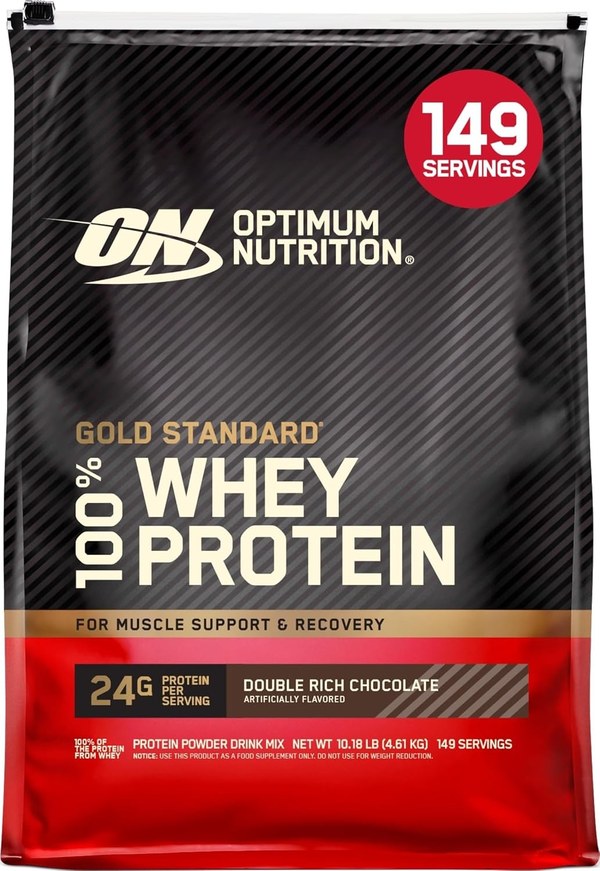 Optimum Nutrition Gold Standard 100% Whey (5 lb) — a measured 24g-per-scoop source to spread across meals.
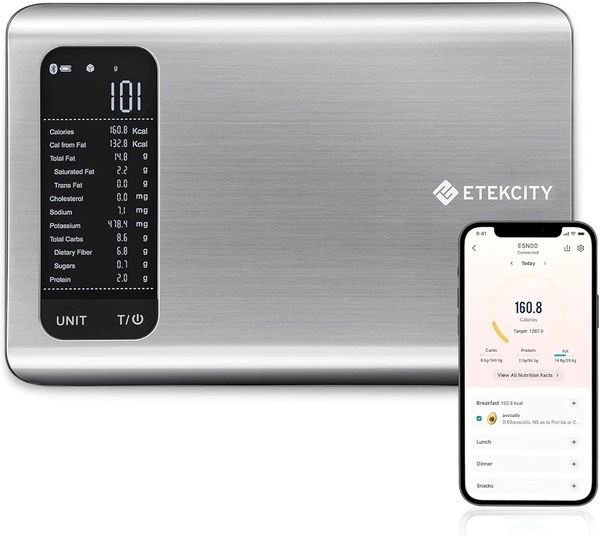 Etekcity Smart Nutrition Food Scale — weighs protein so per-meal amounts stay accurate.
Disclosure: as an Amazon Associate we earn from qualifying purchases. Prices are current as of writing and may change.