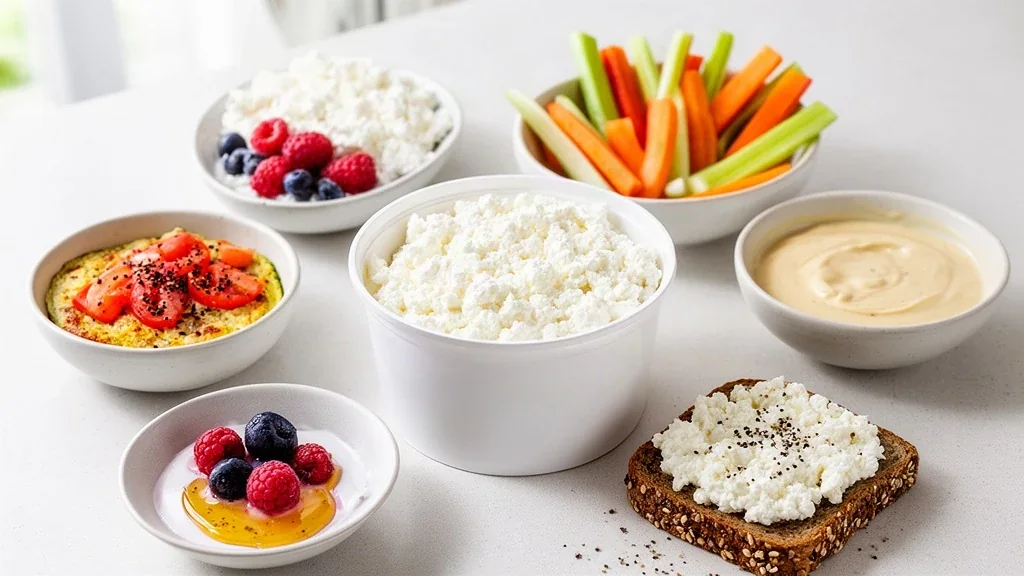
Cottage Cheese: The Casein Powerhouse and 5 High-Protein Macro Recipes
For decades, cottage cheese was relegated to the sidelines of fitness nutrition—tolerated for its protein content but avoided due to its lumpy, curd-filled texture. Today, simple blending techniques have made cottage cheese one of the most versatile high-protein culinary staples available.
Nutritionally, cottage cheese is a nutritional powerhouse. A single 1-cup serving (226g) of 2% low-fat cottage cheese delivers 28 grams of complete, high-quality dairy protein for only 180 calories, with over 60% of its total caloric value derived directly from protein.
More importantly, the vast majority of the protein in cottage cheese consists of micellar casein, a slow-digesting protein structure that provides sustained amino acid elevation for 6 to 8 hours.
Below is the physiological science behind casein digestion, the single culinary technique that eliminates texture issues, and five mathematically verified sweet and savory recipes satisfying (4 × P) + (4 × C) + (9 × F) = Calories.
The Casein Advantage: Digestion Kinetics and Leucine
Milk protein consists of approximately 80% casein and 20% whey. While whey protein is water-soluble and rapidly absorbed in 60 to 90 minutes, micellar casein precipitates into a gel-like clot upon contact with stomach acid (Boirie et al. 1997).
Digestion Kinetics: Whey vs. Micellar Casein
[Whey Ingestion]    ➔ Rapid Gastric Emptying ➔ Sharp Amino Acid Peak (60–90 min) ➔ Rapid Return to Baseline (3 hrs)
[Casein Ingestion]  ➔ Gastric Clotting       ➔ Sustained Plateau (300–450 min)  ➔ Continuous Anti-Catabolic Stream
This slow gastric emptying rate produces three distinct benefits:
- Extended Satiety: The sustained presence of peptides in the small intestine stimulates prolonged release of satiety hormones cholecystokinin (CCK) and peptide YY (PYY).
- Reduced Muscle Protein Breakdown: While whey drives rapid peaks in muscle protein synthesis (MPS), casein’s slow, steady release delivers a potent anti-catabolic effect over long periods, making it ideal before bed or between distant meals (Trommelen & van Loon 2016).
- High Leucine Content: Cottage cheese contains approximately 1.1g of leucine per 100g, meaning a standard 226g cup comfortably exceeds the 2.5g to 3.0g leucine threshold necessary to trigger full MPS.
For a deeper analysis of protein absorption rates per feeding, see our guide on protein per meal maximums.
0% vs. 2% vs. 4%: Which Fat Level Fits Your Macros?
Protein Powder Quality & Blending Standards
- Verify third-party certification (Informed-Choice / NSF) to ensure absence of amino spiking.
- Target at least 20-25g intact protein per 30g scoop (over 70% protein by total powder weight).
- Blend micellar casein or cottage cheese for 30 seconds for ultra-smooth dessert and sauce textures.
Macro arithmetic verified against USDA FoodData Central and Atwater 4P+4C+9F standard.
The macronutrient profile of cottage cheese varies significantly based on milkfat percentage.
| Variety | Serving Size | Protein (g) | Carbs (g) | Fats (g) | Calories | Best Used For |
|---|---|---|---|---|---|---|
| 0% Fat-Free | 1 cup (226g) | 28g | 6g | 0g | 136 kcal | Aggressive calorie deficits & cutting phases |
| 2% Low-Fat | 1 cup (226g) | 28g | 6g | 5g | 181 kcal | The culinary sweet spot (ideal for blending/sauces) |
| 4% Whole Milk | 1 cup (226g) | 26g | 8g | 10g | 226 kcal | Bulking phases & high-fat keto-style plans |
The Culinary Sweet Spot: 2% low-fat cottage cheese provides the optimal balance. The 5g of fat per cup provides sufficient lipid emulsion to blend into a completely silky, cream-cheese-like consistency without adding excessive calories.
The Culinary Secret: The 45-Second Immersion Blend
The reason people dislike cottage cheese is almost always the lumpy texture of the curds, not the flavor.
How to Emulsify Cottage Cheese:
[Tub of 2% Cottage Cheese] ➔ [Immersion Blender / Food Processor (45 sec)] ➔ [Silky Ricotta / Heavy Cream Substitute]
By blending 2% cottage cheese in a food processor or with a high-power immersion blender for 45 seconds, the casein curds completely break down into an ultra-smooth, velvety cream. This blended mixture acts as a 1:1 substitute for heavy cream, sour cream, cream cheese, mayonnaise, and ricotta in both hot pasta sauces and chilled desserts.
Master Comparison Table: 5 High-Protein Recipes
All recipes below are single-serving meals, verified against USDA FoodData Central reference figures and calculated to (4 × P) + (4 × C) + (9 × F) = Calories.
| Recipe Blueprint | Category | Prep Time | Protein (g) | Carbs (g) | Fats (g) | Verified Calories |
|---|---|---|---|---|---|---|
| 1. Blended Alfredo Pasta | Savory Hot Dinner | 12 min | 44 | 52 | 12 | 492 |
| 2. Mediterranean Power Bowl | Savory Cold Lunch | 5 min | 38 | 28 | 14 | 390 |
| 3. Whipped Berry French Toast | Sweet Breakfast | 10 min | 32 | 48 | 8 | 392 |
| 4. Baked Herb & Spinach Frittata | Savory Breakfast/Prep | 20 min | 40 | 18 | 12 | 340 |
| 5. Creamy Chocolate Mousse | Sweet Dessert/Pre-Bed | 5 min | 36 | 30 | 8 | 336 |
Recipe 1: 12-Minute Blended High-Protein Alfredo Pasta
Verified Macros: 44g Protein / 52g Carbs / 12g Fats / 492 kcal
Traditional Alfredo sauce relies on heavy cream and butter, packing over 40g of fat per cup. Blending 2% cottage cheese with garlic, Parmesan, and warm pasta water creates a rich, creamy Alfredo sauce with 44g of protein and just 12g of fat.
Preparation Steps:
1. Boil 2 oz (56g) dry whole wheat or protein fettuccine according to package directions. Reserve 3 tbsp pasta water.
2. In a blender, combine 200g (approx. 7 oz) 2% cottage cheese, 15g grated Parmesan, 1 clove garlic, black pepper, and warm pasta water. Blend 45 seconds until silky.
3. Drain pasta, return to low heat, pour in blended sauce, and toss with 3 oz (85g) pre-cooked sliced chicken breast until warmed through (do not boil, to prevent curdling).
Ingredients and Macro Breakdown:
- 150g 2% Low-Fat Cottage Cheese: 18g Protein, 5g Carbs, 3.5g Fat (123.5 kcal)
- 2 oz (56g cooked) Sliced Chicken Breast: 15g Protein, 0g Carbs, 1.5g Fat (73.5 kcal)
- 2 oz (56g) Dry Whole Wheat Fettuccine: 7g Protein, 41g Carbs, 1.5g Fat (205.5 kcal)
- 10g Grated Parmesan Cheese: 4g Protein, 1g Carbs, 3g Fat (47 kcal)
- 1/2 tsp Olive Oil & Seasonings: 0g Protein, 5g Carbs, 2.5g Fat (42.5 kcal)
- Macro Math: 44g P × 4 + 52g C × 4 + 12g F × 9 = 176 + 208 + 108 = 492 kcal
Recipe 2: 5-Minute Savory Mediterranean Power Bowl
Verified Macros: 38g Protein / 28g Carbs / 14g Fats / 390 kcal
This zero-cooking savory bowl pairs whole cottage cheese curds with English cucumbers, cherry tomatoes, kalamata olives, and canned chunk tuna for a refreshing, high-satiety lunch.
Preparation Steps:
1. Spoon 180g (3/4 cup) 2% cottage cheese into a wide bowl.
2. Top with 1/2 can (56g drained) chunk light tuna in water, 1/2 cup diced cucumber, and 1/2 cup halved cherry tomatoes.
3. Add 4 pitted Kalamata olives (sliced), 1 tsp extra virgin olive oil, and 1/2 tsp dried oregano.
4. Serve with 25g whole-grain pita crackers.
Ingredients and Macro Breakdown:
- 180g 2% Low-Fat Cottage Cheese: 22g Protein, 5g Carbs, 4g Fat (144 kcal)
- 1/2 can (56g drained) Chunk Light Tuna: 13g Protein, 0g Carbs, 0.5g Fat (56.5 kcal)
- Vegetables (Cucumber & Cherry Tomatoes): 1g Protein, 4g Carbs, 0g Fat (20 kcal)
- 4 Kalamata Olives + 1 tsp Olive Oil: 0g Protein, 1g Carbs, 7.5g Fat (71.5 kcal)
- 25g Whole Grain Pita Crackers: 2g Protein, 18g Carbs, 2g Fat (98 kcal)
- Macro Math: 38g P × 4 + 28g C × 4 + 14g F × 9 = 152 + 112 + 126 = 390 kcal
Recipe 3: Whipped Cottage Cheese & Berry Protein Toast
Verified Macros: 32g Protein / 48g Carbs / 8g Fats / 392 kcal
Blending cottage cheese with a touch of honey creates an airy, spreadable topping resembling whipped cream cheese or sweet mascarpone.
Preparation Steps:
1. Toast 2 thick slices of whole-wheat sourdough or artisanal bread.
2. Blend 180g 2% cottage cheese with 1 tsp honey and 1/2 tsp vanilla extract for 30 seconds.
3. Spread thick layer across both toast slices.
4. Top with 1 cup (150g) fresh sliced strawberries, 1/2 tsp chia seeds, and ground cinnamon.
Ingredients and Macro Breakdown:
- 180g 2% Cottage Cheese: 22g Protein, 5g Carbs, 4g Fat (144 kcal)
- 2 slices (70g) Whole Grain Sourdough: 8g Protein, 32g Carbs, 2g Fat (178 kcal)
- 1 cup (150g) Fresh Strawberries: 1g Protein, 10g Carbs, 0.5g Fat (48.5 kcal)
- 1 tsp Honey + 1/2 tsp Chia Seeds & Cinnamon: 1g Protein, 1g Carbs, 1.5g Fat (21.5 kcal)
- Macro Math: 32g P × 4 + 48g C × 4 + 8g F × 9 = 128 + 192 + 72 = 392 kcal
Recipe 4: Baked Herb, Spinach & Cottage Cheese Frittata
Verified Macros: 40g Protein / 18g Carbs / 12g Fats / 340 kcal
Folding whole cottage cheese into an egg white bake creates moist pockets of melted cheese throughout the frittata while keeping dietary fat tightly controlled.
Preparation Steps:
1. Preheat oven to 375°F (190°C). Spray a small baking dish with olive oil cooking spray.
2. Whisk 1/2 cup (120g) liquid egg whites with 1 whole egg, garlic powder, salt, and black pepper.
3. Fold in 150g 2% cottage cheese and 1.5 cups chopped fresh baby spinach.
4. Bake for 18–20 minutes until center is set and edges are lightly golden.
Ingredients and Macro Breakdown:
- 1/2 cup (120g) Liquid Egg Whites: 13g Protein, 1g Carbs, 0g Fat (56 kcal)
- 1 Large Whole Egg: 6g Protein, 0.5g Carbs, 5g Fat (71 kcal)
- 150g 2% Cottage Cheese: 18g Protein, 4g Carbs, 3.5g Fat (120 kcal)
- 1.5 cups Fresh Baby Spinach & Herbs: 1g Protein, 2.5g Carbs, 0.5g Fat (18.5 kcal)
- 1 slice Whole Wheat Toast on side: 2g Protein, 10g Carbs, 3g Fat (75 kcal)
- Macro Math: 40g P × 4 + 18g C × 4 + 12g F × 9 = 160 + 72 + 108 = 340 kcal
Recipe 5: Creamy Chocolate Cottage Cheese Protein Mousse
Verified Macros: 36g Protein / 30g Carbs / 8g Fats / 336 kcal
The ultimate pre-bed snack: slow-digesting casein combined with cocoa powder and whey isolate for an indulgent, pudding-like dessert that fuels overnight muscle recovery.
Preparation Steps:
1. In a small food processor or NutriBullet, add 150g 2% cottage cheese, 20g chocolate whey isolate, 1 tbsp (7g) unsweetened dark cocoa powder, and 2 tbsp unsweetened almond milk.
2. Blend on high for 60 seconds until completely aerated and glossy.
3. Pour into a ramekin and chill in freezer for 15 minutes to set into a mousse consistency.
4. Top with 1/2 sliced banana or 1/4 cup raspberries before serving.
Ingredients and Macro Breakdown:
- 150g 2% Low-Fat Cottage Cheese: 18g Protein, 5g Carbs, 3.5g Fat (123.5 kcal)
- 20g Chocolate Whey Protein Isolate: 16g Protein, 1g Carbs, 0.5g Fat (72.5 kcal)
- 1 tbsp (7g) Dark Cocoa Powder: 1g Protein, 3g Carbs, 1g Fat (25 kcal)
- 1/2 medium Banana (sliced) + 2 tbsp Almond Milk: 1g Protein, 21g Carbs, 3g Fat (115 kcal)
- Macro Math: 36g P × 4 + 30g C × 4 + 8g F × 9 = 144 + 120 + 72 = 336 kcal
Swaps and Adjustments Matrix
| To Modify Recipe | Adjustment | Macro Impact |
|---|---|---|
| Drop 10g Fat (Cutting) | Swap 2% cottage cheese for 0% fat-free | -5g Fat per cup, -45 kcal |
| Increase Protein by 15g | Add 1/2 scoop unflavored whey isolate to sauce or dough | +13g Protein, +52 kcal |
| Make Gluten-Free | Use certified gluten-free oats, pasta, or corn tortillas | Same macros, 0g gluten |
| Lactose Sensitivity | Use certified 100% lactose-free cottage cheese (e.g., Lactaid/Good Culture) | Identical macronutrient profile |
For strategies on structuring high-protein meals across your entire day, explore our complete guide to hitting 200g of protein daily.
Sources
- Boirie Y, et al. (1997) Slow and fast dietary proteins differently modulate postprandial protein accretion. Proc Natl Acad Sci USA, 94(26):14930-14935
- Jäger R, et al. (2017) International Society of Sports Nutrition Position Stand: protein and exercise. J Int Soc Sports Nutr, 14:20
- Trommelen J, van Loon LJ (2016) Pre-sleep protein ingestion to improve the skeletal muscle adaptive response to exercise training. Nutrients, 8(12):763
- USDA FoodData Central Database (FDC ID 173417: Cottage Cheese 2% Milkfat)
Want to find more recipes and meal combinations built around your exact daily macro targets? Use our free Macro Meal Reverser to calculate custom meal plans in seconds.
Tools That Make This Easier
A few tools remove the guesswork from the math above:
 KitchenAid Variable-Speed Hand Blender — blends cottage cheese silky-smooth for the sauces and desserts here.
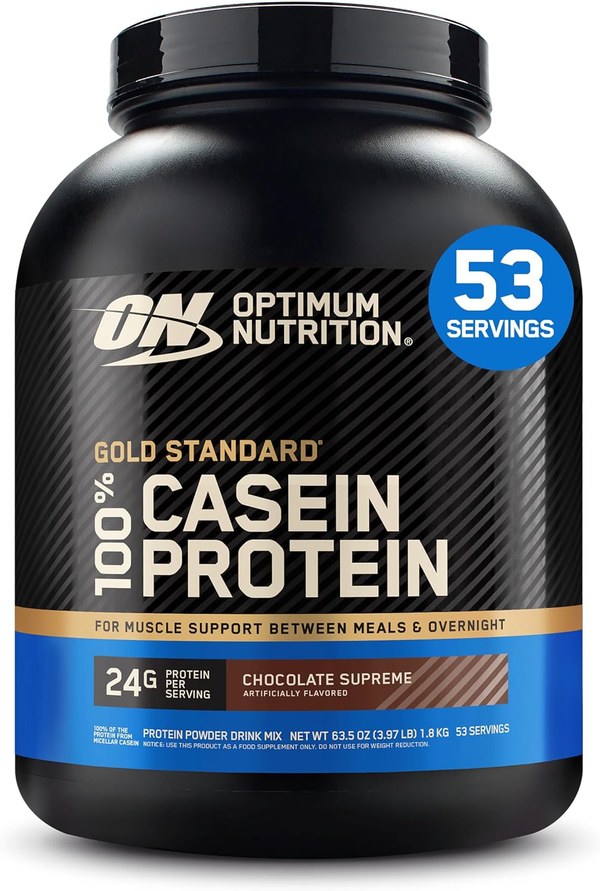 Optimum Nutrition Micellar Casein (2 lb) — the slow-digesting protein cousin of cottage cheese for overnight recovery.
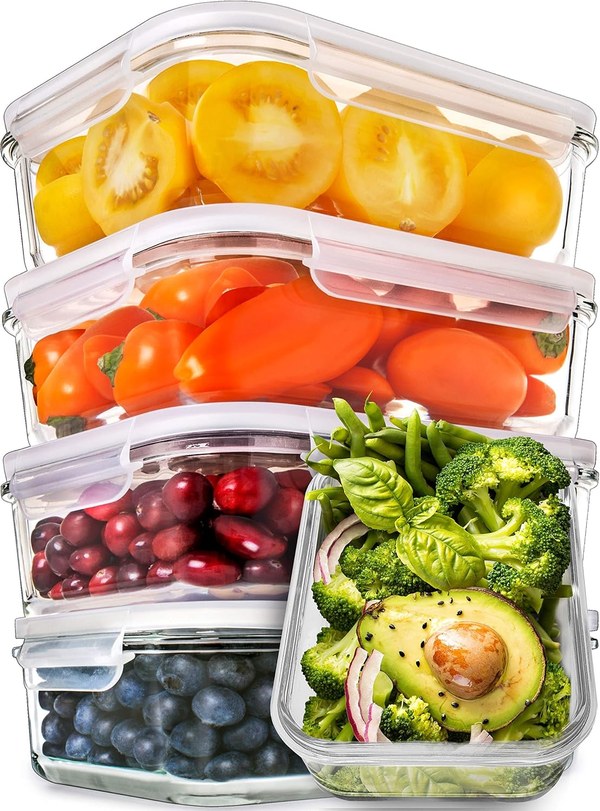 Prep Naturals Glass Meal Prep Containers (30oz, 5-Pack) — store the blended cottage-cheese recipes without leakage.
Disclosure: as an Amazon Associate we earn from qualifying purchases. Prices are current as of writing and may change.