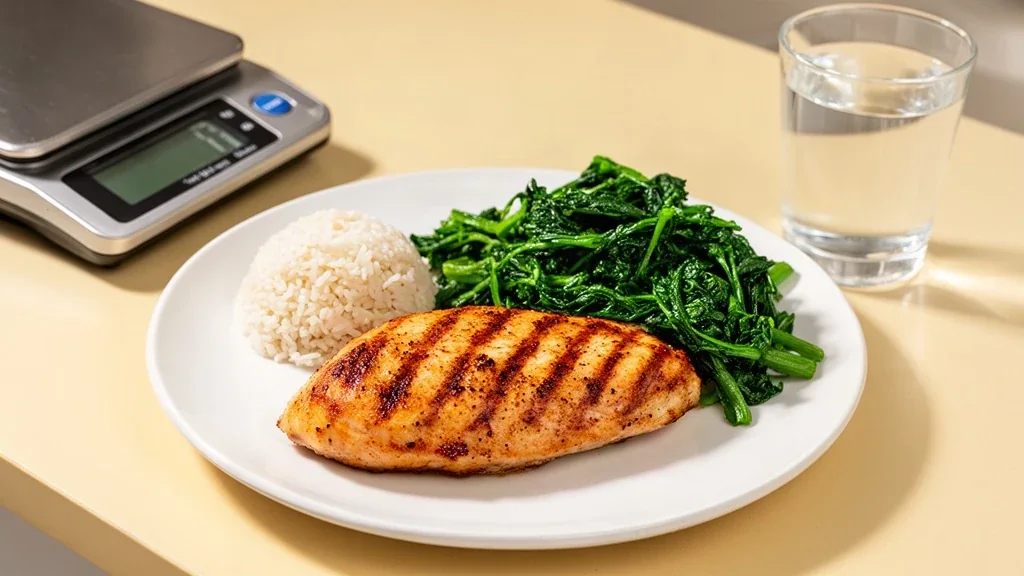
Can You Build Muscle in a Calorie Deficit? The Science of Body Recomposition
Yes, you can build muscle while in a calorie deficit. This physiological process—known as body recomposition—allows your body to synthesize new skeletal muscle tissue while simultaneously oxidizing stored adipose tissue for fuel.
Muscle protein synthesis (MPS) requires three primary inputs:
- Essential amino acids (supplied by dietary protein).
- Mechanical tension (supplied by progressive resistance training).
- Cellular energy (ATP).
When you consume fewer dietary calories than your body burns, the required energy for muscle repair and protein synthesis does not have to come from food; it is drawn directly from your stored body fat.
A comprehensive review in the Strength and Conditioning Journal by Barakat et al. (2020) confirmed that concurrent fat loss and muscle hypertrophy occur across a broad range of training populations when training intensity and dietary protein intake are sufficient.
The Clinical Evidence for Recomposition
The belief that you must be in a calorie surplus to gain muscle stems from confusing whole-body energy balance with local tissue metabolism. Your body is not a closed thermodynamic system operating in an all-or-nothing state.
Dietary Calorie Deficit + High Protein + Resistance Training
  = Fat Mass Loss (Adipose Oxidation) + Skeletal Muscle Hypertrophy (MPS)
In a landmark randomized trial by Longland et al. (2016) at McMaster University, researchers took resistance-trained young men and placed them into an aggressive 40% calorie deficit for four weeks alongside heavy lifting and interval training:
- Lower-Protein Group (1.2 g/kg / 0.55 g/lb): Maintained lean mass and lost 3.5 kg (7.7 lbs) of body fat.
- Higher-Protein Group (2.4 g/kg / 1.1 g/lb): Gained 1.2 kg (2.6 lbs) of lean muscle mass while losing 4.8 kg (10.6 lbs) of body fat.
Even in a severe calorie deficit, providing sufficient amino acids and training stimulus allowed the body to synthesize significant new muscle tissue using stored fat as the primary energy source.
Who Can Build Muscle in a Deficit?
Evidence-Based Muscle Growth & Recovery Benchmarks
- Consume 1.6 to 2.2g protein per kg of body weight (0.73 to 1.0g per pound) spread over 3-4 daily meals.
- Take 3-5g pure creatine monohydrate daily to saturate intramuscular phosphocreatine reserves.
- Maintain progressive overload resistance training while supporting energy balance with complex starches.
Macro arithmetic verified against USDA FoodData Central and Atwater 4P+4C+9F standard.
While recomposition is biologically possible for almost anyone, the rate and magnitude of muscle gain in a deficit vary based on training age and body composition:
| Category | Recomposition Potential | Primary Mechanism |
|---|---|---|
| Beginners / Untrained | Very High | High neuromuscular sensitivity to mechanical tension; rapid muscle synthesis. |
| Individuals with High Body Fat | Very High | Large endogenous fat stores easily mobilized to fuel energy-demanding MPS. |
| Detrained Individuals | Very High | “Muscle memory”—myonuclei retained inside muscle fibers allow rapid regrowth. |
| Trained Lifters (2–5 years) | Moderate | Requires strict adherence to high protein (1.0–1.2g/lb) and progressive overload. |
| Elite / Lean Competitors | Low to Minimal | Low fat stores limit energy mobilization; maintenance or tiny surplus is preferred. |
The 4 Non-Negotiable Rules of Body Recomposition
To force muscle growth in a calorie deficit, you must dial in four specific training and nutrition variables:
1. Maintain a Moderate, Controlled Deficit (15% to 20%)
An extreme deficit (greater than 25% below maintenance) suppresses anabolic signaling pathways like mTOR, raises cortisol, and impairs recovery.
Research by Garthe et al. (2011) demonstrated that athletes aiming for slow weight loss (~0.7% body weight loss per week) gained muscle and increased strength, while athletes in an aggressive deficit (~1.4% body weight loss per week) lost lean mass. Target a daily reduction of 300 to 500 calories below your TDEE.
2. Elevate Protein to 1.0–1.2g Per Pound (2.2–2.6g/kg)
In a calorie deficit, the body oxidizes a higher percentage of amino acids for basic energy. Elevating your protein intake ensures that enough circulating amino acids remain available to trigger muscle protein synthesis.
Aim for 1.0 to 1.2 grams of protein per pound of body weight (or per pound of target lean body mass if you have significant weight to lose). Review our guide on how to hit high daily protein targets using whole foods.
3. Apply Progressive Overload in the 6–12 Rep Range
You cannot train with light weights and high reps simply because you are cutting. Mechanical tension is the primary driver of hypertrophy. You must strive to add weight, reps, or improve execution on your compound lifts week over week to signal to your body that muscle tissue is essential for survival.
4. Prioritize 7 to 9 Hours of Sleep
Sleep deprivation directly impairs body composition. Studies show that when individuals diet on restricted sleep (5.5 vs 8.5 hours), over 80% of the weight lost comes from lean tissue rather than fat, largely due to suppressed testosterone and growth hormone production combined with elevated insulin resistance.
Worked Example: 180-Pound Recomposition Setup
Here is how to calculate macros for a 180-pound lifter with an estimated maintenance level of 2,500 calories:
1. Maintenance Baseline (TDEE): 2,500 kcal
2. Recomposition Deficit (-450 kcal): 2,050 kcal/day
3. Protein Target (1.0g/lb): 180g × 4 kcal/g = 720 kcal (35% of calories)
4. Dietary Fat Target (0.32g/lb): 57g × 9 kcal/g = 513 kcal (25% of calories)
5. Carbohydrate Remainder: [2,050 - (720 + 513)] / 4 = 817 kcal / 4 = 204g carbs (40% of calories)
Daily Macro Targets:
Calories: 2,049 kcal | Protein: 180g | Carbs: 204g | Fats: 57gSample Full-Day Recomposition Meal Plan (2,050 kcal)
This structured plan distributes 180g of protein across four primary meals to maximize the muscle-building stimulus throughout the day. All macro values adhere to the standard 4/4/9 calorie formula.
| Meal | Foods & Ingredients | Protein (g) | Carbs (g) | Fats (g) | Calories |
|---|---|---|---|---|---|
| Breakfast | Greek Yogurt Bowl + Berries + Granola + 2 hard-boiled eggs | 32 | 45 | 18 | 470 |
| Lunch | Chicken Breast (6oz) + Rice (1 cup) + Steamed Broccoli | 54 | 45 | 8 | 468 |
| Pre-Workout | 1 scoop Whey Protein in water + 1 medium banana | 25 | 27 | 1 | 217 |
| Dinner | Salmon (5oz) + Sweet Potato + Asparagus | 38 | 35 | 18 | 454 |
| Bedtime Snack | 1 cup lowfat cottage cheese + 1/2 cup blueberries + 12 almonds | 31 | 19 | 9 | 281 |
| Total | 180g | 171g | 54g | 1,890 |
To reach the exact 2,049 kcal target, add an extra 1/2 cup of rice to lunch or 1 slice of whole wheat toast with dinner (+35g carbs / 140 kcal).
How to Measure Recomposition Progress
Because you are gaining muscle and losing fat at the same time, the scale alone is a misleading metric. Your body weight may remain virtually unchanged for 4 to 8 weeks while your physique changes dramatically.
Use Multiple Tracking Metrics:
- Body Measurements: Track waist circumference (at the navel), chest, thighs, and arms every two weeks. If your waist shrinks while your arms and chest stay the same size or grow, you are successfully recompositioning.
- Progress Photos: Take front, side, and back photos every 4 weeks in identical lighting and morning conditions.
- Gym Performance Log: If your squat, bench press, deadlift, or pull-up numbers are increasing while your waist measurement decreases, you are gaining muscle tissue in a deficit.
Practical Food Swaps for Recomposition
When dieting, food volume and protein density are critical to prevent hunger. Use these swaps to keep calories low while keeping protein high:
| Want to Adjust | Recommended Food Swap | Macro Impact |
|---|---|---|
| Increase Protein (+20g) | Add 1 cup liquid egg whites or 1 can chunk light tuna | +22g Protein, 0g Carb, 0g Fat, +88 kcal |
| Reduce Fat (-10g) | Switch whole eggs to egg whites or swap salmon to cod | -10g Fat, 0g Carb, -90 kcal |
| Add Training Fuel (+30g Carbs) | Add 1.5 cups cooked cream of rice or 1 medium sweet potato | +30g Carbs, 0g Fat, +120 kcal |
| Higher Meal Satiety | Swap 1 cup white rice for 300g boiled gold potatoes | Same Carbs (~45g), 3x higher fullness index |
When to Switch from Recomp to a Dedicated Bulk or Cut
Body recomposition is ideal for beginners, individuals returning from a layoff, and lifters carrying moderate body fat. However, as you become leaner and more advanced, the rate of concurrent muscle gain slows down.
- Switch to a Dedicated Cut if your body fat is above 20% (men) or 30% (women) and your primary goal is rapid health improvement or fat loss.
- Switch to a Dedicated Lean Bulk if you are already lean (under 10–12% body fat for men, under 18–20% for women) and your training performance is plateauing. Learn how to structure a clean surplus in our bulking macros guide.
Dial In Your Recomposition Macros
Achieving body recomposition requires balancing calorie deficits with high protein and optimal carbohydrate timing.
Use our Macro Meal Reverser to find whole-food meal combinations that hit your exact calorie and macro targets to preserve lean mass while shedding body fat.
Tools That Make This Easier
A few tools remove the guesswork from the math above:
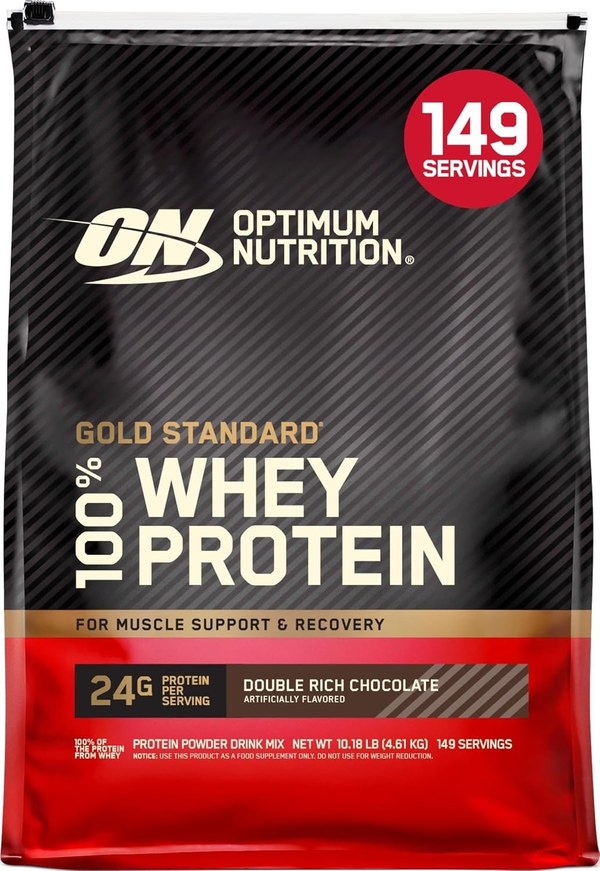 Optimum Nutrition Gold Standard 100% Whey (5 lb) — keeps protein high when calories are low, the core of a deficit recomp.
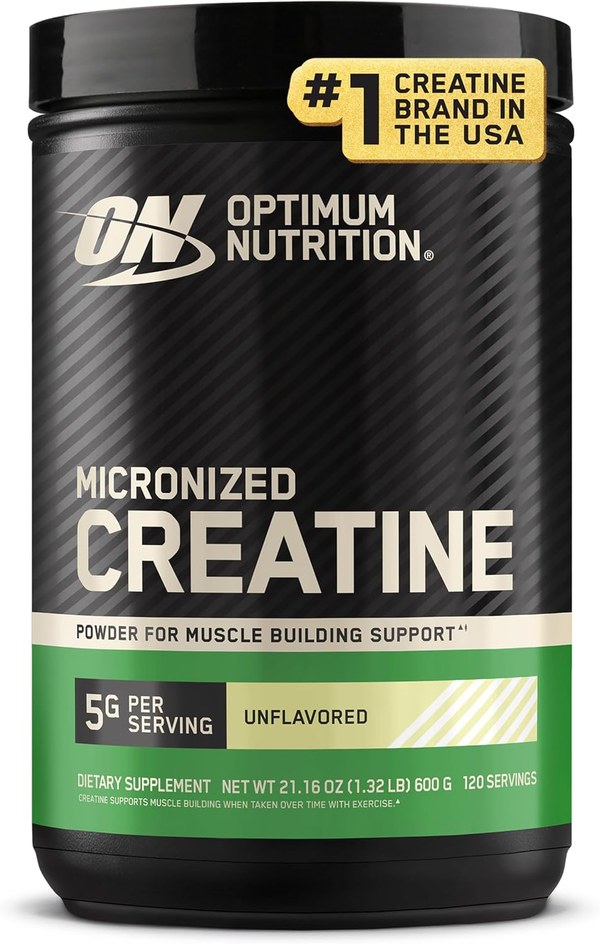 Optimum Nutrition Micronized Creatine Monohydrate — preserves strength and lean mass while cutting.
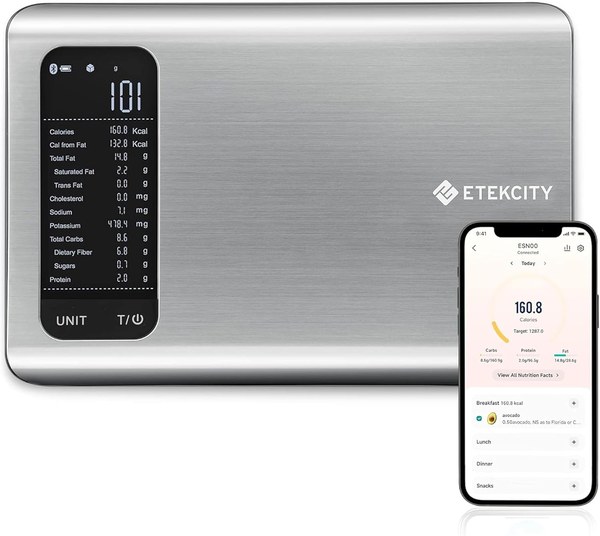 Etekcity Smart Nutrition Food Scale — locks in exact portions when the deficit leaves little room for error.
Disclosure: as an Amazon Associate we earn from qualifying purchases. Prices are current as of writing and may change.