
How Many Calories Does Cardio Actually Burn? (Why You Shouldn't Eat Back Cardio)
Commercial fitness trackers and cardio machines overestimate exercise calorie expenditure by 20% to over 50%. If your smartwatch reports that a 45-minute run burned 600 calories, the true net expenditure is often closer to 320 to 380 calories.
If you “eat back” those 600 reported calories with an extra meal or post-workout snack, you will erase your target calorie deficit and bring fat loss to a complete halt.
To manage your energy balance accurately, set a fixed daily calorie target based on your baseline activity level, and never eat back exercise calories recorded by a wearable device.
Why Fitness Trackers Overestimate Calorie Burn
Wrist-worn fitness trackers, optical heart rate monitors, and treadmill dashboards do not directly measure metabolic gas exchange (oxygen consumption and carbon dioxide production). Instead, they use algorithmic approximations that fail for three distinct biological and mathematical reasons.
Reported Calorie Burn (Tracker) = Gross Burn (Overestimated)
Actual Fat Loss Impact = Net Burn - Metabolic Compensation
1. Gross vs. Net Calorie Conflation
When a fitness watch states that you burned 500 calories during a 60-minute workout, it is reporting gross energy expenditure. This number includes your Basal Metabolic Rate (BMR)—the calories your body would have burned just staying alive on the couch during that exact 60 minutes.
- Gross Burn: Total calories burned during the hour (BMR + Thermic Cost of Exercise).
- Net Burn: The additional calories burned solely due to the physical movement.
If your BMR is 80 calories per hour, a “500-calorie” workout is actually a 420-calorie workout before any further algorithmic errors are factored in.
2. Optical Heart Rate Inaccuracies During High-Intensity Workouts
Cardio algorithms assume a linear relationship between heart rate and oxygen consumption. However, during High-Intensity Interval Training (HIIT) or resistance circuits, heart rate remains elevated due to adrenaline, sympathetic nervous system arousal, and heat dissipation—even during rest intervals when actual work output drops. Optical sensors also suffer from wrist motion artifacts, frequently recording false heart rate spikes that inflate calorie estimates.
A landmark study from Stanford University evaluating seven wrist-worn activity devices found that no device had an error rate below 27%, with some devices overestimating calorie expenditure by as much as 93%.
3. Energy Compensation and Reduced NEAT
The human body operates under a constrained energy model (Pontzer et al. 2016). When you perform strenuous endurance exercise or exhaustive HIIT, your subconscious Non-Exercise Activity Thermogenesis (NEAT) often drops for the remainder of the day.
You sit more, fidget less, and lounge on the sofa. Research shows that up to 28% of the calories burned during structured exercise can be offset by subconscious reductions in daytime movement throughout the subsequent 12 to 24 hours.
Realistic Net Calorie Burn by Activity
Core Nutrition Planning & Macro Balance Protocol
- Calculate daily energy expenditure using Mifflin-St Jeor formulas and adjust for target rate of change.
- Distribute protein evenly across breakfast, lunch, dinner, and snacks for continuous muscle protein synthesis.
- Use digital food scales and airtight meal prep containers to eliminate guesswork in weekly nutrition.
Macro arithmetic verified against USDA FoodData Central and Atwater 4P+4C+9F standard.
Using standardized Metabolic Equivalent of Task (MET) values from exercise physiology research, here is what a 160-pound (72.5 kg) individual actually burns (net above rest) during 30 minutes of consistent effort:
| Activity | Intensity / Pace | Tracker Estimate (Gross) | Actual Net Calorie Burn | Real Hourly Rate |
|---|---|---|---|---|
| Moderate Walking | 3.5 mph (flat road) | 160 – 200 kcal | 110 – 130 kcal | 220 – 260 kcal/hr |
| Incline Treadmill Walk | 3.2 mph, 10% incline | 280 – 340 kcal | 200 – 230 kcal | 400 – 460 kcal/hr |
| Steady-State Running | 6.0 mph (10:00/mile) | 380 – 450 kcal | 270 – 310 kcal | 540 – 620 kcal/hr |
| Outdoor Cycling | 12 – 14 mph (moderate) | 320 – 390 kcal | 210 – 250 kcal | 420 – 500 kcal/hr |
| Rowing Machine | 150 watts (steady) | 300 – 360 kcal | 200 – 240 kcal | 400 – 480 kcal/hr |
| HIIT Circuit | 20s work / 40s rest | 350 – 450 kcal | 160 – 200 kcal | 320 – 400 kcal/hr |
Formula: Net Burn = [(MET - 1) × 3.5 × body weight in kg / 200] × duration in minutes.
The “Eating Back Cardio” Trap: A Worked Math Example
Consider a lifter with a daily maintenance baseline of 2,400 calories who targets a 500-calorie deficit to lose approximately 1 pound of body fat per week:
Target Intake: 1,900 kcal/day (2,400 maintenance - 500 deficit)
Planned Weekly Fat Loss: ~1.0 lb (~3,500 kcal deficit/week)
Scenario A: Eating Back Tracker Calories (The Mistake)
- The lifter goes for a 45-minute jog.
- Their smartwatch displays: “Burned 580 Calories!”
- Logging this into a calorie tracking app increases their allowable food budget to 2,480 kcal (1,900 + 580).
- The lifter eats an extra bagel with peanut butter (500 kcal).
- The Reality:
- Real net burn of the jog: 320 kcal
- Post-exercise NEAT reduction: -80 kcal
- True extra energy spent: 240 kcal
- Food eaten back: +500 kcal
- Net result: Total daily intake becomes 2,400 kcal vs true expenditure of 2,640 kcal. The planned 500-calorie deficit is shrunk to just 240 calories, cutting fat loss speed in half.
Scenario B: Fixed Baseline Accounting (The Solution)
- The lifter maintains a fixed intake of 1,900 kcal.
- Cardio is performed 3 times per week for cardiovascular health, work capacity, and a reliable deficit buffer.
- The smartwatch number is ignored for meal planning.
- Scale weight drops steadily at the planned rate of 0.8 to 1.2 pounds per week.
The Correct Strategy: Fixed Dietary Baselines
To eliminate the guesswork and inaccuracies of wearable fitness trackers:
- Calculate your Total Daily Energy Expenditure (TDEE) using a standard formula (like Mifflin-St Jeor or Katch-McArdle) that includes your general activity multiplier (e.g., sedentary, lightly active, or moderately active).
- Subtract your target deficit (300 to 500 kcal) to determine your daily nutrition budget.
- Eat to that fixed number every day, regardless of whether you ran 5 miles or rested on the couch.
- Track average weekly scale weight. If your weight does not decrease over a 2- to 3-week period, your baseline calorie target is too high or your portion tracking is inaccurate. Adjust your food intake downward by 150 to 200 calories rather than trying to out-cardio the error.
Sample Nutrition Blueprint: Fixed 1,900 Calorie Day
Here is a structured, high-protein meal template designed to sustain training energy without needing to adjust food intake for workouts. All macros adhere to standard 4/4/9 calorie values.
| Meal | Selected Foods | Protein (g) | Carbs (g) | Fats (g) | Calories |
|---|---|---|---|---|---|
| Breakfast | Greek Yogurt Bowl + Berries + Granola | 20 | 45 | 8 | 332 |
| Lunch | Chicken Breast (6oz) + Rice (1 cup) + Broccoli | 54 | 45 | 8 | 468 |
| Afternoon Snack | 1 medium apple + 2 tbsp natural peanut butter | 8 | 35 | 16 | 316 |
| Dinner | Salmon (5oz) + Sweet Potato + Asparagus | 38 | 35 | 18 | 454 |
| Evening Snack | 1 cup lowfat cottage cheese + cinnamon | 28 | 8 | 3 | 171 |
| Total | 148g | 168g | 53g | 1,741 |
To scale to 1,900 calories, add an extra 1/2 cup of rice at lunch or a slice of whole grain toast at breakfast (+35g carbs / 140 kcal).
Practical Food Swaps When Hunger Spikes Post-Cardio
Cardio can stimulate ghrelin (the hunger hormone) in some individuals. Instead of consuming high-calorie treats, use high-volume, low-calorie-density swaps:
| If You Crave Post-Run | Don’t Eat | Swap To This Instead | Calorie Savings |
|---|---|---|---|
| Quick Carbs | 1 large blueberry muffin (440 kcal, 65C, 18F) | 1 cup cooked oats + 1 cup frozen blueberries (210 kcal, 44C, 3F) | -230 kcal |
| Sweet Drink | 16 oz fruit smoothie / juice (280 kcal, 68C, 0F) | 1 scoop whey protein shaken in ice water + 1 whole orange (180 kcal, 26P, 15C, 1F) | -100 kcal (+24g protein) |
| Salty Crunch | 2 oz potato chips (300 kcal, 30C, 20F) | 4 cups air-popped popcorn with sea salt (120 kcal, 24C, 1F) | -180 kcal |
| Post-Workout Meal | Fast food burger & fries (850 kcal) | Chicken Breast (6oz) + Rice + Broccoli (468 kcal, 54P, 45C, 8F) | -382 kcal |
Common Cardio Tracking Mistakes
1. Counting Cardio Calories Twice in Tracking Apps
Many food tracking apps automatically sync with Apple Health, Garmin, or Fitbit. If your baseline activity level is already set to “Moderately Active,” and your app imports 400 calories from your afternoon run, it is double-counting your physical activity. Turn off “auto-adjust calorie goals” in your settings.
2. Relying on Excessive HIIT for Fat Loss
HIIT creates significant central nervous system fatigue and muscle soreness, which can compromise the quality of your heavy resistance training sessions. Low-impact steady-state cardio (such as incline treadmill walking or brisk outdoor walking) burns calories with negligible recovery cost and minimal impact on appetite.
3. Ignoring the Power of Step Counts (NEAT)
A 45-minute run burns ~300 net calories. However, walking 10,000 steps across an entire day burns between 350 and 500 calories without stimulating aggressive hunger signals or causing post-workout fatigue. For more on tracking pitfalls, review our guide to common macro tracking mistakes.
4. Cutting Calories Too Low When Cardio Increases
Adding 4 hours of weekly cardio on top of an aggressive 1,000-calorie food deficit will rapidly down-regulate thyroid hormones, disrupt sleep, and trigger muscle loss. If you reach a fat-loss plateau after months of dieting, you may benefit from a planned reset; see our guide on reverse dieting explained.
Build Meals That Fit Your Real Deficit
Cardio is a powerful tool for cardiovascular fitness and maintaining high energy flux, but fat loss is governed by the precision of your nutrition.
Use the Macro Meal Reverser to calculate meal combinations that land directly on your calorie, protein, carbohydrate, and fat targets without relying on unreliable exercise calorie offsets.
Tools That Make This Easier
A few tools remove the guesswork from the math above:
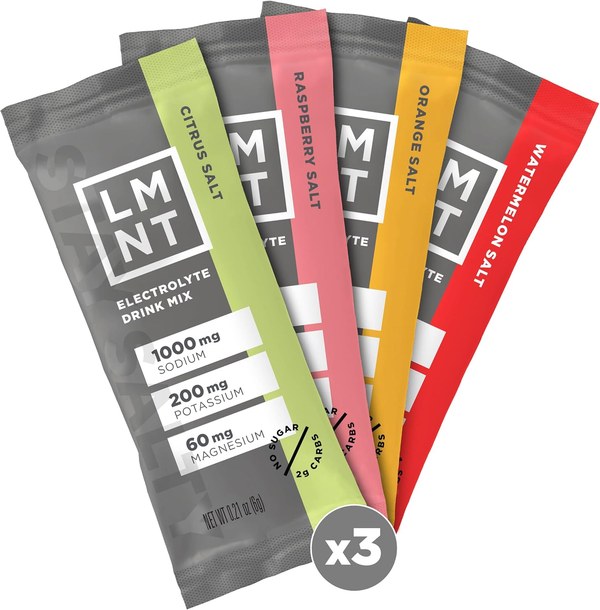 LMNT Zero-Sugar Electrolyte Drink Mix — replaces sodium lost to sweat during the cardio this guide covers.
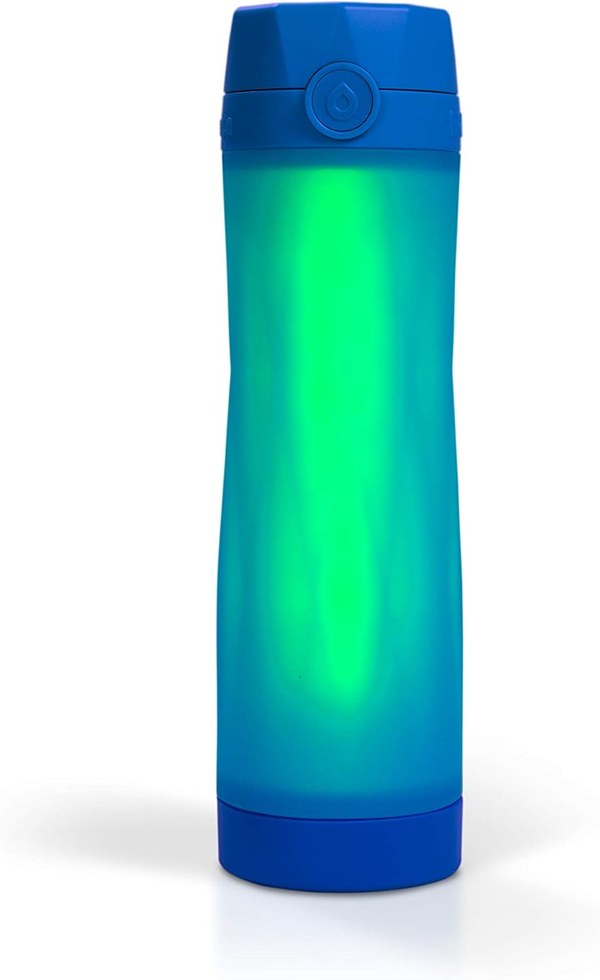 Hidrate Spark 3 Smart Water Bottle — tracks hydration through the long cardio sessions that inflate tracker counts.
Disclosure: as an Amazon Associate we earn from qualifying purchases. Prices are current as of writing and may change.