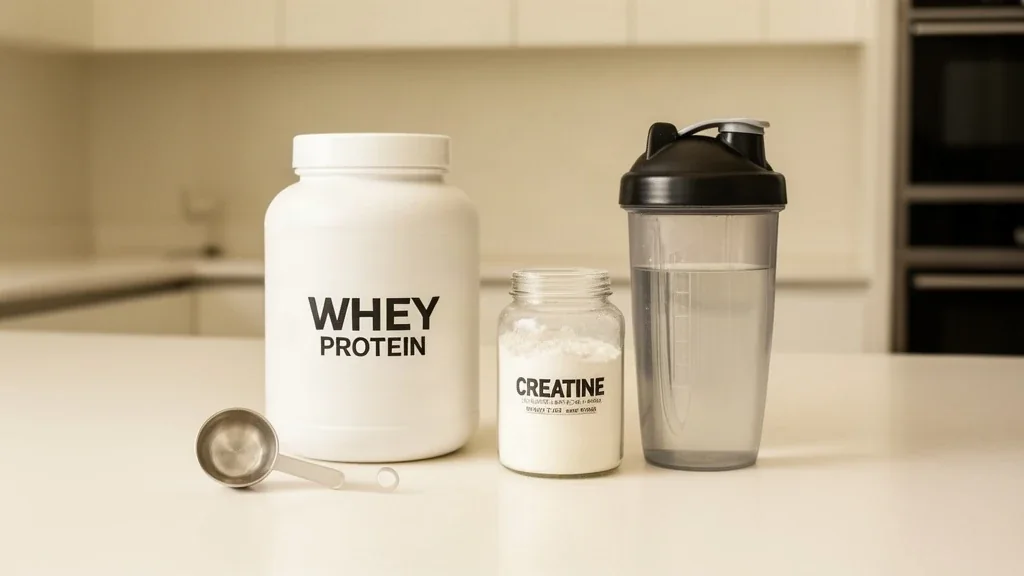
The Minimalist Beginner Supplement Stack: What Works vs. What to Skip
Walk into any supplement store or browse fitness social media, and you will be told you need a dozen different tubs: pre-workouts, BCAAs, mass gainers, test boosters, pump formulas, and sleep enhancers. The sports supplement market is a multi-billion-dollar industry built largely on aggressive marketing and marginal compounds.
Here is the reality of sports nutrition: over 90% of your body composition and performance results will come from consistent calorie management, adequate daily macronutrients, progressive resistance training, and sufficient sleep.
For beginners and intermediate trainees, only three supplements have overwhelming, high-grade clinical evidence supporting their efficacy, safety, and cost-effectiveness.
Here is the complete evidence-based beginner stack, the science behind how each compound works, and the list of overhyped supplements you should never waste money on.
This article summarizes what the research says about common supplements. It is not medical advice. Dosages below are the amounts used in published studies — follow label directions, and check with a clinician before adding supplements if you have a medical condition or take medication.
The Short Answer: The 3 Supplements Actually Worth Buying
THE EVIDENCE-BASED BEGINNER STACK
| Supplement | Clinical Dose | Timing | Est. Cost/Day |
|---|---|---|---|
| Creatine Monohydrate | 3g – 5g | Any time | ~$0.15 – $0.25 |
| Whey / Plant Protein | 20g – 40g | To hit macros | ~$0.80 – $1.20 |
| Vitamin D3 (+ K2) | 1,000 – 2,000 IU | With a meal | ~$0.05 – $0.10 |
Total daily cost for the foundational stack: less than $1.50 per day.
1. Creatine Monohydrate: The Gold Standard for Power and Lean Mass
Evidence-Based Muscle Growth & Recovery Benchmarks
- Consume 1.6 to 2.2g protein per kg of body weight (0.73 to 1.0g per pound) spread over 3-4 daily meals.
- Take 3-5g pure creatine monohydrate daily to saturate intramuscular phosphocreatine reserves.
- Maintain progressive overload resistance training while supporting energy balance with complex starches.
Macro arithmetic verified against USDA FoodData Central and Atwater 4P+4C+9F standard.
Creatine is the single most thoroughly researched ergogenic aid in sports nutrition history, with hundreds of peer-reviewed clinical trials confirming its safety and efficacy.
How It Works
Your muscle cells use adenosine triphosphate (ATP) for explosive muscular contractions during resistance training. However, intramuscular ATP stores deplete within 1 to 3 seconds of maximum effort. Creatine binds with phosphate molecules inside your muscle cells to form phosphocreatine (PCr).
When ATP loses a phosphate group during a heavy lift (becoming ADP), phosphocreatine donates its phosphate group to rapidly resynthesize ADP back into ATP:
ADP + Phosphocreatine → ATP + Free Creatine
This rapid energy recycling allows you to squeeze out 1 to 2 additional high-quality repetitions per working set, leading to greater mechanical tension and accelerated muscle hypertrophy over time.
What the Evidence Says
The International Society of Sports Nutrition (ISSN) Position Stand on Creatine (Kreider et al. 2017) concluded that:
- Creatine supplementation increases maximal strength, power output, and high-intensity exercise capacity by 5% to 15%.
- It reliably increases fat-free mass (lean tissue + cellular hydration).
- It is exceptionally safe for long-term use in healthy individuals across all age brackets.
How to Take It
- Form: Pure Creatine Monohydrate (such as Creapure or standard micronized 200-mesh powder). Avoid overpriced variations like Creatine HCL, Creatine Ethyl Ester, or Buffered Creatine—clinical comparisons show zero performance superiority despite a 300% price markup.
- Commonly studied dose: 3 to 5 grams daily, taken consistently every day.
- Loading Phase: Optional. Taking 20g/day for 5 days saturates muscle stores in 1 week; taking 5g/day saturates stores within 3 to 4 weeks with zero gastrointestinal discomfort.
- Timing: Daily consistency matters far more than timing. Mix it with water, juice, or your post-workout shake.
2. Whey Protein (or Quality Plant Protein Isolate): Macronutrient Insurance
Protein powder is not a magic chemical compound that builds muscle out of thin air. It is simply powdered food—a convenient, shelf-stable, highly bioavailable macronutrient source.
How It Works
To maximize muscle protein synthesis (MPS), clinical meta-analyses (such as Morton et al. 2018 in the British Journal of Sports Medicine) establish an optimal daily protein intake of 1.6g to 2.2g per kilogram of bodyweight (roughly 0.7g to 1.0g per pound).
Whey protein isolate and concentrate are rich in Essential Amino Acids (EAAs) and contain roughly 10% to 12% leucine by weight (~2.5g to 3.0g of leucine per 25g scoop). Leucine acts as the primary molecular “trigger” activating the mTOR pathway responsible for initiating muscle tissue repair.
When to Use It
Use protein powder when whole-food logistics make hitting your daily targets difficult (e.g., at work, post-workout, or during travel).
If you already consume adequate protein from whole chicken, beef, fish, eggs, and dairy, protein powder provides zero additional muscle-building advantage. It is a tool for convenience, not a biological requirement.
For tips on spotting adulterated powders, read our guide on how to avoid protein powder scams and amino spiking.
3. Vitamin D3: The Micronutrient Foundation
Unlike water-soluble vitamins that are easily obtained from a varied diet, Vitamin D functions as a secosteroid hormone regulating hundreds of biological pathways, including calcium absorption, bone mineral density, immune defenses, and neuromuscular signaling.
Why Beginners Need It
Modern indoor lifestyles and office work mean many people get limited vitamin D from sun exposure. The human body synthesizes Vitamin D3 through direct skin exposure to UVB radiation. If you live above 35° latitude, work indoors, or wear sunscreen, endogenous synthesis is limited for much of the year.
While not an acute muscle-building stimulant, adequate vitamin D status supports calcium absorption, bone health, and normal neuromuscular function. Many people who work indoors or live at higher latitudes get limited sun exposure and may want to monitor their intake.
How to Take It
- Commonly studied dose: 1,000 to 2,000 IU (25–50 mcg) daily with a meal containing dietary fats (Vitamin D is fat-soluble).
- Synergy: Many lifters combine D3 with Vitamin K2 (MK-7, 50–100 mcg) to support calcium metabolism.
The Skip List: 5 Overhyped Supplements to Avoid
The supplement industry thrives on selling products that look impressive on paper but provide negligible real-world benefits. Here is what you can safely leave on the shelf:
THE SUPPLEMENT “SKIP LIST”
| Banned / Useless | Why It Is a Waste of Money |
|---|---|
| BCAAs (Bottled) | Zero benefit if total protein is met. |
| Testosterone Boosts | No clinical muscle-building effect. |
| Mass Gainers | Cheap maltodextrin and sugar markups. |
| OTC Fat Burners | Overpriced caffeine with trace herbs. |
| L-Glutamine | Abundant in whole dietary proteins. |
1. Branched-Chain Amino Acids (BCAAs)
Sipping flavored BCAAs during a workout is one of fitness’s most enduring marketing myths. BCAAs only contain 3 of the 9 essential amino acids (Leucine, Isoleucine, Valine). Muscle protein synthesis requires all 9 essential amino acids present simultaneously to build new tissue. If your diet hits total daily protein targets from whole foods and whey, supplemental BCAAs provide zero additional benefit.
2. Over-the-Counter Testosterone Boosters
Products containing Tribulus Terrestris, D-Aspartic Acid, Fenugreek, or Maca Root promise natural anabolic boosts. Multiple double-blind clinical trials demonstrate that while some herbs may modestly affect subjective libido, they produce zero statistically significant increase in free testosterone or muscle hypertrophy in healthy resistance-trained males.
3. Commercial “Mass Gainers”
A standard commercial mass gainer tub contains 1,000 to 1,200 calories per serving, composed of 200g of cheap maltodextrin (corn starch sugar) and only 30g to 40g of protein, sold at a steep markup. You can make a superior, nutrient-dense 800-calorie shake at home for $1.50 using whole milk, rolled oats, a banana, 2 tablespoons of peanut butter, and a single scoop of whey.
4. Over-the-Counter “Fat Burners”
No pill burns meaningful fat without a caloric deficit. Commercial fat burners are essentially caffeine capsules (200–300mg) combined with unproven botanical extracts (green tea extract, yohimbine, cayenne pepper) that increase daily energy expenditure by less than 50 calories. A $0.20 cup of black coffee delivers the same alertness for a fraction of the cost.
5. Supplemental L-Glutamine
While glutamine is conditionally essential in severe hospital burn trauma, oral glutamine supplementation does not enhance muscle recovery or athletic performance in healthy lifters because standard dietary proteins already contain generous amounts of glutamine. Furthermore, the intestinal enterocytes absorb nearly all oral glutamine before it ever reaches systemic circulation.
Whole Foods vs. Supplements: Verified Macro Anchors
To put supplements in perspective, contrast them with real whole-food meals from verified nutritional databases:
Option 1: Whole Food Lean Anchor (Steak & Eggs)
- 4 oz Pan-Seared Flank Steak
- 2 whole Large Eggs
- Sautéed Spinach
| Macro | Quantity |
|---|---|
| Protein | 38g |
| Carbs | 0g |
| Fats | 20g |
| Calories | 332 kcal |
Macronutrient math: (38 × 4) + (0 × 4) + (20 × 9) = 152 + 0 + 180 = 332 kcal.
Option 2: Micronutrient Powerhouse (Salmon & Sweet Potato)
- 5 oz Fresh Grilled Salmon
- 1 medium Baked Sweet Potato (180g)
- 1 cup Steamed Asparagus
| Macro | Quantity |
|---|---|
| Protein | 38g |
| Carbs | 35g |
| Fats | 18g |
| Calories | 454 kcal |
Macronutrient math: (38 × 4) + (35 × 4) + (18 × 9) = 152 + 140 + 162 = 454 kcal.
Option 3: High-Yield Meal Prep (Chicken, Rice & Broccoli)
- 6 oz Cooked Boneless Chicken Breast
- 1 cup Cooked Jasmine Rice
- 1.5 cups Steamed Broccoli florets
| Macro | Quantity |
|---|---|
| Protein | 54g |
| Carbs | 45g |
| Fats | 8g |
| Calories | 468 kcal |
Macronutrient math: (54 × 4) + (45 × 4) + (8 × 9) = 216 + 180 + 72 = 468 kcal.
Option 4: Supplemented Quick Shake (Post-Workout)
- 1 scoop (30g) Pure Whey Isolate
- 1/2 cup Rolled Oats
- 1/2 cup Mixed Berries
- 1 cup Unsweetened Almond Milk
| Macro | Quantity |
|---|---|
| Protein | 35g |
| Carbs | 48g |
| Fats | 7g |
| Calories | 395 kcal |
Macronutrient math: (35 × 4) + (48 × 4) + (7 × 9) = 140 + 192 + 63 = 395 kcal.
Macro Comparison Summary
| Meal Setup | Protein | Carbs | Fats | Total Calories | Natural Micronutrients Delivered |
|---|---|---|---|---|---|
| Steak & Eggs | 38g | 0g | 20g | 332 | Zinc, Iron, Choline, B12, Natural Creatine |
| Salmon & Sweet Potato | 38g | 35g | 18g | 454 | Omega-3 (EPA/DHA), Potassium, Vitamin A |
| Chicken & Rice | 54g | 45g | 8g | 468 | Niacin, Phosphorus, B6, Clean Glycogen |
| Supplement Smoothie | 35g | 48g | 7g | 395 | Fast-absorbing Whey, Antioxidants, Fiber |
Whole foods deliver bioavailable vitamins, minerals, healthy fats, and natural creatine that powders cannot fully replicate. Build your primary foundation around whole meals, then use the minimal 3-supplement stack to optimize the remaining details.
For comprehensive whole-food strategies, read our guide on how to hit 200g of protein daily without shakes.
Third-Party Purity Verification
The FDA does not approve dietary supplements before they reach retail shelves. To protect yourself against heavy metal contamination, unlisted stimulants, and label fraud:
- Look for Certified Seals: Always purchase brands carrying the Informed-Sport, NSF Certified for Sport, or USP Verified mark.
- Review the Certificate of Analysis (CoA): Reputable manufacturers publish third-party lab testing results for every batch on their website.
- Avoid Proprietary Blends: Every active ingredient should have its exact milligram dosage listed clearly on the label.
Calculate Your Daily Targets First
Before spending money on supplements, make sure your daily macronutrient foundation is dialed in. Use our free Macro Meal Planner to reverse-engineer meal plans that match your exact protein, carbohydrate, and fat targets.
Evidence and Sources
- Buford T. W., et al. (2007). International Society of Sports Nutrition position stand: creatine supplementation and exercise. Journal of the International Society of Sports Nutrition, 4(1), 6.
- Jäger R., et al. (2017). International Society of Sports Nutrition Position Stand: protein and exercise. Journal of the International Society of Sports Nutrition, 14(1), 20.
- Kreider R. B., et al. (2017). International Society of Sports Nutrition position stand: safety and efficacy of creatine supplementation in exercise, sport, and medicine. Journal of the International Society of Sports Nutrition, 14(1), 18.
- Morton R. W., et al. (2018). A systematic review, meta-analysis and meta-regression of the effect of protein supplementation on resistance training-induced gains in muscle mass and strength in healthy adults. British Journal of Sports Medicine, 52(6), 376–384.
- USDA FoodData Central. Nutrient profiles for Beef Flank Steak (FDC 170205), Salmon (FDC 175167), Eggs (FDC 171287), and Chicken Breast (FDC 171077). fdc.nal.usda.gov.
Tools That Make This Easier
A few tools remove the guesswork from the math above:
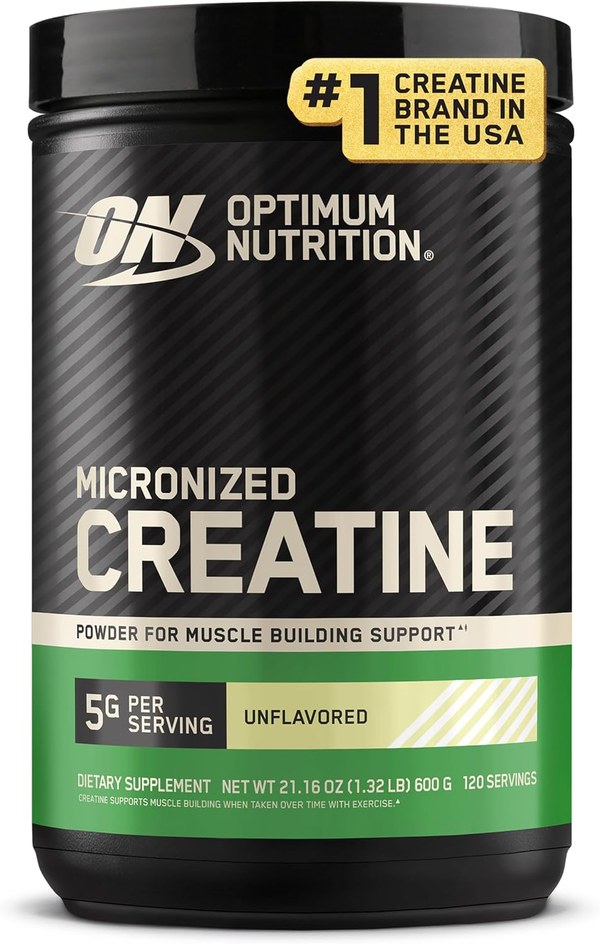 Optimum Nutrition Micronized Creatine Monohydrate — the strongest-evidence supplement in the stack, 3-5g daily.
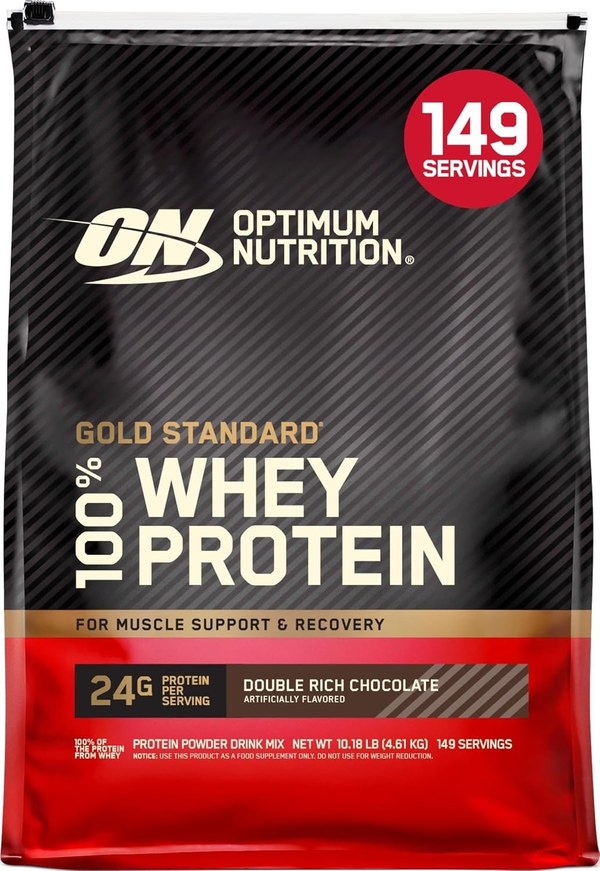 Optimum Nutrition Gold Standard 100% Whey (5 lb) — 24g protein per scoop for hitting daily protein without whole-food prep.
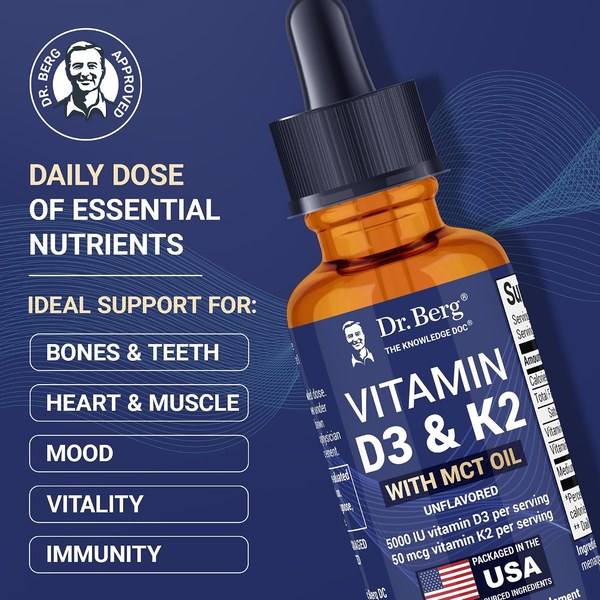 Dr. Berg Vitamin D3 K2 Liquid Drops — 5,000 IU D3 + K2 in a dropper, the micronutrient half of the stack.
Disclosure: as an Amazon Associate we earn from qualifying purchases. Prices are current as of writing and may change.