Alcohol and Macros: The Math Behind 7 kcal/g and How to Track Drinks
Alcohol contains 7.1 calories per gram—almost twice the energy density of protein or carbohydrates (4 kcal/g) and just behind pure dietary fat (9 kcal/g).
Yet if you open standard fitness trackers or nutrition labels, you will notice a bizarre absence: alcohol has no dedicated macronutrient line. A 100-calorie shot of vodka lists 0g protein, 0g carbs, and 0g fat. If you log only the macronutrients shown on the label, your food tracker records 0 calories while your body absorbs 100.
To maintain an accurate energy deficit while drinking socially, you must manually convert alcohol calories into equivalent carbohydrate or fat grams.
Here is the underlying biochemistry of how your body processes ethanol, the mathematical conversion formulas, and a worked daily meal framework that accommodates social drinks without sabotaging your progress.
The Metabolic Priority Hierarchy: Why Alcohol Halts Fat Burning
Your body can store excess carbohydrates as glycogen in muscle and liver tissue. It can store excess dietary fat as triglycerides in adipose tissue. It can draw upon the amino acid pool from dietary protein to repair lean tissue.
It has zero storage capacity for ethanol. Because acetaldehyde (the primary byproduct of alcohol breakdown) is a cellular toxin, your liver prioritizes alcohol clearance above all other metabolic pathways.
The Breakdown Pathway
- Ethanol is oxidized by alcohol dehydrogenase (ADH) into acetaldehyde.
- Acetaldehyde is converted by aldehyde dehydrogenase (ALDH) into acetate.
- Acetate enters the bloodstream and is converted into acetyl-CoA, which enters the Krebs cycle for immediate energy production.
While the liver is processing acetate, the oxidation of other fuels is suppressed. In a landmark clinical study on lipid kinetics, Siler et al. (1999) demonstrated that acute alcohol ingestion suppresses whole-body fat oxidation by up to 73%.
Normal Metabolism:
Dietary Fat ➔ Fatty Acid Oxidation ➔ Energy (ATP)

Metabolism Under Alcohol Ingestion:
Ethanol ➔ Acetate ➔ Energy (ATP)
Dietary Fat ➔ [Oxidation Blocked by ~73%] ➔ Direct Adipose Storage
Alcohol itself is rarely converted directly into body fat via de novo lipogenesis (less than 5% of ethanol carbon ends up as stored fatty acids). However, because alcohol supplies immediate energy, almost 100% of the dietary fat you consume alongside alcohol is shunted straight into fat stores.
Furthermore, alcohol induces appetite disinhibition, increasing the likelihood of unmeasured late-night snacking (Yeomans 2010).
The Three Conversion Formulas
Core Nutrition Planning & Macro Balance Protocol
- Calculate daily energy expenditure using Mifflin-St Jeor formulas and adjust for target rate of change.
- Distribute protein evenly across breakfast, lunch, dinner, and snacks for continuous muscle protein synthesis.
- Use digital food scales and airtight meal prep containers to eliminate guesswork in weekly nutrition.
Macro arithmetic verified against USDA FoodData Central and Atwater 4P+4C+9F standard.
Since tracking apps do not have an “alcohol macro” budget, you must deduct the calories from your carbohydrate or fat targets.
The Non-Negotiable Rule: Never deduct alcohol calories from your protein target. Protein is necessary to maintain muscle protein synthesis, preserve lean mass during a deficit, and provide satiety (Jäger et al. 2017). Always pull calories from carbs, fats, or a split of both.
Method 1: Deduct from Carbohydrates
Best for high-volume training days where you want to keep dietary fat stable for hormone support.
Carb Grams to Deduct = Total Drink Calories / 4
Example: A 140-calorie glass of wine ÷ 4 = 35g of Carbohydrates.
Method 2: Deduct from Dietary Fats
Best for low-carb or ketogenic diets, or days where you have plenty of carbohydrate-dense vegetables planned.
Fat Grams to Deduct = Total Drink Calories / 9
Example: A 140-calorie glass of wine ÷ 9 = 15.5g of Fat.
Method 3: The 50/50 Split (Most Practical)
Deducts half the energy from carbs and half from fat, preventing severe depletion of either macronutrient.
Carbs to Deduct = Drink Calories × 0.5 / 4 and Fat to Deduct = Drink Calories × 0.5 / 9
Example: For a 140-calorie drink: 70 kcal from carbs (70 ÷ 4 = 17.5g Carbs) and 70 kcal from fat (70 ÷ 9 = 7.8g Fat).
Drink Conversion Matrix: Standard Servings to Macros
The table below provides exact calorie values, residual carbohydrate content, and converted macro deductions for common alcoholic beverages. All numbers reflect standard commercial pours and USDA FoodData Central reference values.
| Beverage & Serving Size | ABV (%) | Total Calories | Residual Carbs (g) | Deduct as 100% Carbs | Deduct as 100% Fat | Deduct as 50/50 Split |
|---|---|---|---|---|---|---|
| Distilled Spirit (Vodka, Tequila, Whiskey, Gin) (1.5 oz / 44 ml) | 40% | 97 kcal | 0g | 24g Carbs | 11g Fat | 12g C / 5.5g F |
| Light Beer (12 oz / 355 ml) | 4.2% | 100 kcal | 3g | 25g Carbs | 11g Fat | 12.5g C / 5.5g F |
| Hard Seltzer (12 oz / 355 ml) | 5.0% | 100 kcal | 2g | 25g Carbs | 11g Fat | 12.5g C / 5.5g F |
| Dry Red Wine (Cabernet, Pinot Noir) (5 oz / 148 ml) | 13.5% | 125 kcal | 3.5g | 31g Carbs | 14g Fat | 15.5g C / 7g F |
| Dry White Wine (Sauvignon Blanc, Pinot Grigio) (5 oz / 148 ml) | 12.5% | 120 kcal | 3.0g | 30g Carbs | 13g Fat | 15g C / 6.5g F |
| Craft IPA / Double IPA (12 oz / 355 ml) | 7.0% | 210 kcal | 15g | 52g Carbs | 23g Fat | 26g C / 11.5g F |
| Classic Margarita (on the rocks) (6 oz / 177 ml) | 15% | 280 kcal | 28g | 70g Carbs | 31g Fat | 35g C / 15.5g F |
Note: In cocktails and craft beers, a significant portion of the calories comes from residual sugars and starches in addition to ethanol.
Worked Example: Budgeting 2 Drinks into a 1,980 kcal Day
Assume your daily targets are 160g Protein, 200g Carbs, and 60g Fat (1,980 kcal total). You plan to have two 5 oz glasses of dry red wine at dinner (250 kcal total).
1. Calculate the Adjustment
Deducting the 250 alcohol calories entirely from carbohydrates:
- 250 kcal ÷ 4 = 62.5g Carbs deducted (round to 62g).
- Adjusted Food Target for the Day: 160g Protein, 138g Carbs, 60g Fat (640 + 552 + 540 = 1,732 kcal).
2. The Structured Meal Day (4P + 4C + 9F Validated)
| Meal | Food Items | Protein (g) | Carbs (g) | Fats (g) | Calories |
|---|---|---|---|---|---|
| Breakfast | 3 Large Whole Eggs, 2 slices Sourdough Toast, 1 cup Skim Milk | 30 | 36 | 16 | 408 |
| Lunch | 6 oz Grilled Chicken Breast, 3/4 cup Cooked White Rice, 1.5 cups Steamed Broccoli | 54 | 34 | 8 | 424 |
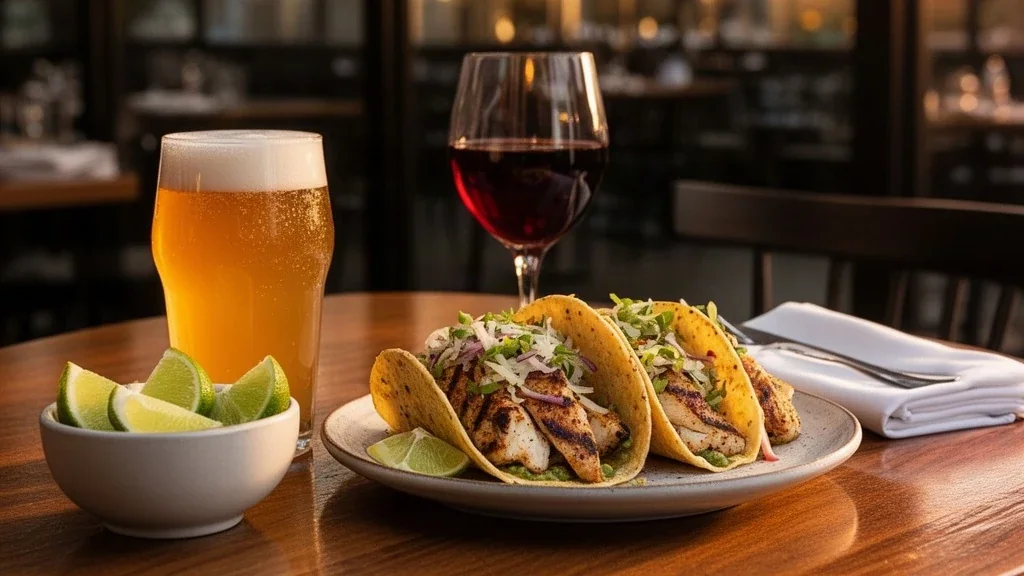
| Dinner | 3 Grilled Fish Tacos with Cabbage Slaw + 1/2 cup Black Beans | 36 | 50 | 15 | 479 |
| Afternoon Snack | 1.5 cups Nonfat Greek Yogurt, 1/2 cup Fresh Strawberries, 1 oz (28g) Whole Almonds | 40 | 18 | 14 | 358 |
| Subtotal (Food) | 4 High-Protein Whole Food Meals | 160g | 138g | 53g | 1,669 kcal |
| Cooking Oil Buffer | 1.5 tsp olive oil used in pan cooking | 0g | 0g | 7g | 63 kcal |
| Evening Drinks | 2 glasses (10 oz total) Dry Red Wine | 0g | 0g (logged as 62g C) | 0g | 248 kcal |
| Total Daily Energy | Food + Cooking Buffer + Alcohol | 160g P | 138g C (+62g Equiv) | 60g F | 1,980 kcal |
By adjusting carbohydrate portions down at lunch and dinner, you hit your 160g protein target, keep fat moderate to avoid compounding storage, and end the day in an exact energy balance.
For more guidance on portion control and weighing, read our guide on macro tracking mistakes.
The Four Golden Rules of Drinking on a Deficit
- Keep Dietary Fat Low on Drinking Days: Because ethanol suppresses fat oxidation by over 70%, keep dietary fat between 30g and 50g on days you plan to drink. Prioritize lean proteins (chicken breast, shrimp, egg whites, whey protein) and fibrous vegetables.
- Ditch Caloric Mixers: A standard rum and regular cola contains 200 calories (nearly 30g of pure liquid sugar). Switching to diet cola, club soda, fresh lime juice, or zero-calorie tonic water cuts the calories in half and eliminates rapid blood sugar spikes.
- Pre-Cook Your Post-Night Out Meal: The primary factor that ruins a fat loss phase is not the 200 calories from two drinks; it is the 1,200 calories of greasy food ordered afterward. Have a pre-measured, high-protein meal ready in the fridge before you leave home.
- Hydrate at a 1:1 Ratio: Alcohol suppresses vasopressin (antidiuretic hormone), accelerating water and electrolyte excretion. Drink one 12 oz glass of water with an electrolyte pinch for every alcoholic drink to prevent dehydration and morning water-retention swings on the scale.
Common Tracking Mistakes with Alcohol
- The “Tequila Has Zero Carbs” Trap: While pure spirits have 0g of carbohydrate, they still contain 97 calories per shot from ethanol. Logging zero calories because the carb count is zero will quickly erase a weekly calorie deficit.
- Sacrificing Protein for Drinks: Never cut your chicken or protein shakes to make room for beer. Dropping protein below recommended thresholds (0.7–1.0g per pound of body weight) increases muscle breakdown during a deficit.
- Panic Fasting the Next Day: Skipping food entirely the next day to “compensate” leads to severe hunger, binge eating, and degraded training performance. Return directly to your standard baseline targets. If you are coming off an extended deficit, review our guide to reverse dieting explained.
The Bottom Line
You do not need to eliminate alcohol completely to make progress, but you cannot ignore its energy density:
- Alcohol yields 7.1 kcal/g and halts dietary fat burning while clearing the liver.
- Convert alcohol calories into carbohydrate grams (kcal ÷ 4) or fat grams (kcal ÷ 9).
- Keep protein high and dietary fat low on days you plan to drink.
Sources
- Jäger R, et al. (2017) International Society of Sports Nutrition Position Stand: protein and exercise. J Int Soc Sports Nutr, 14:20
- Siler SQ, et al. (1999) De novo lipogenesis, lipid kinetics, and whole-body lipid oxidation in humans during acute ethanol ingestion. Am J Clin Nutr, 70(5):928-936
- USDA FoodData Central
- Yeomans MR. (2010) Alcohol, appetite and energy balance. Physiol Behav, 100(1):82-89
Need to plan your whole-food meals around social events? Use our Macro Meal Reverser to reverse-engineer meal plans for your exact remaining macro budget.
Tools That Make This Easier
A few tools remove the guesswork from the math above:
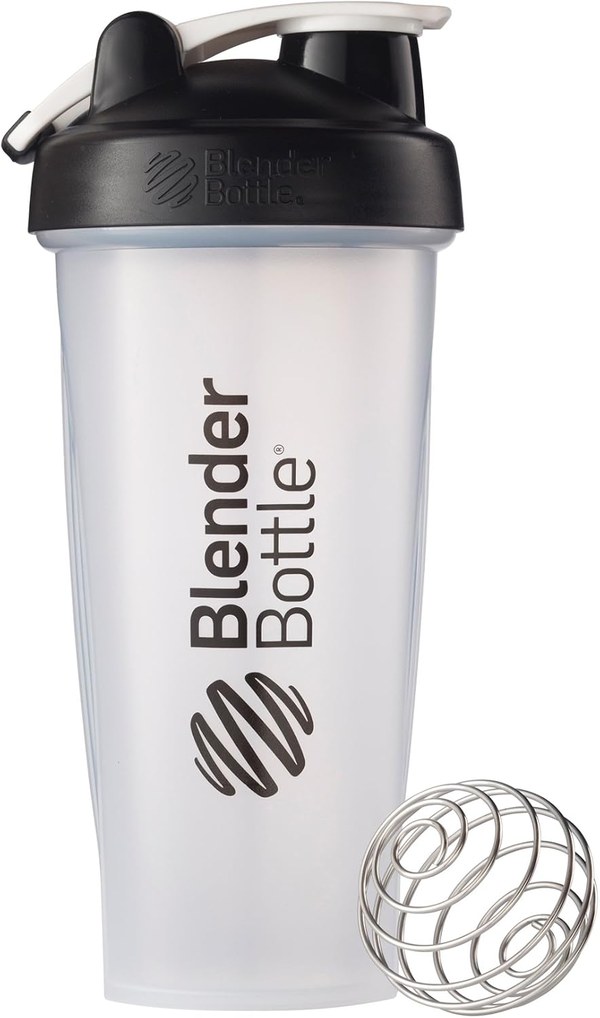 BlenderBottle Classic 28oz Shaker — measure and mix drinks and protein shakes in one marked bottle.
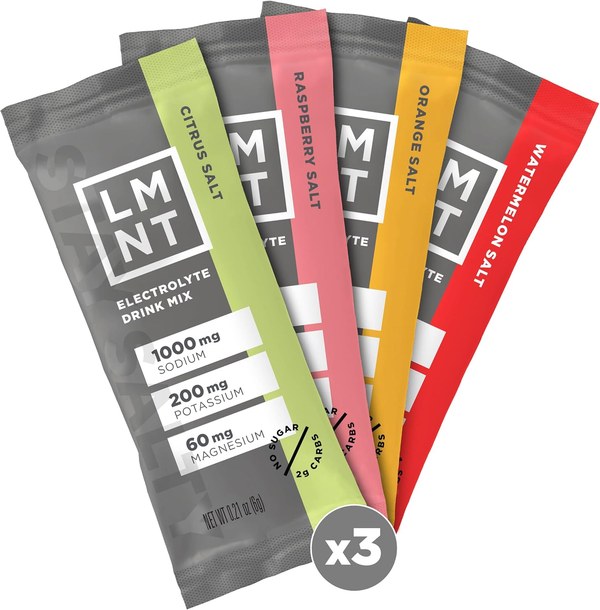 LMNT Zero-Sugar Electrolyte Drink Mix — replaces sodium and fluids after a night of drinks without added sugar.
Disclosure: as an Amazon Associate we earn from qualifying purchases. Prices are current as of writing and may change.