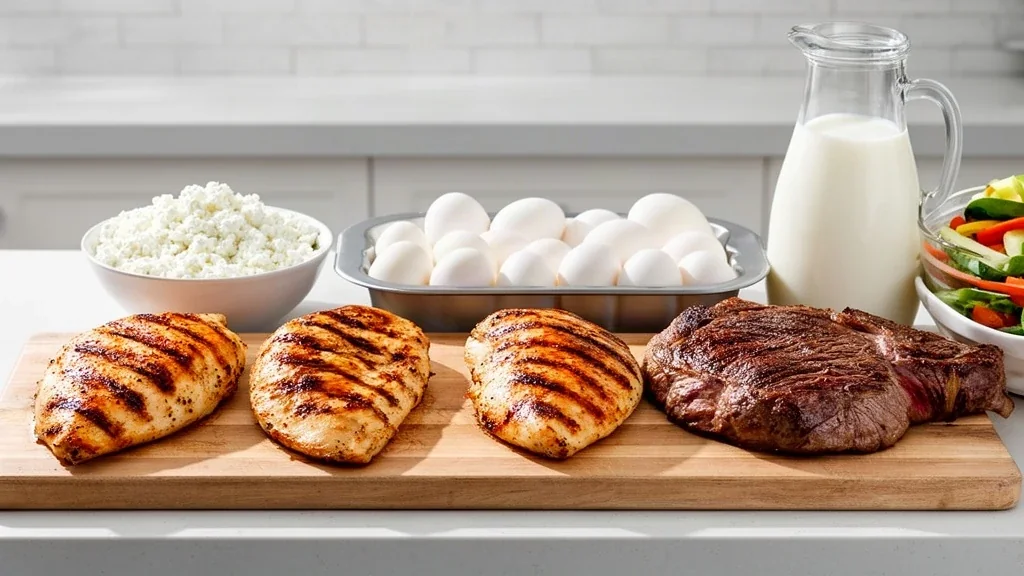
Can You Eat Too Much Protein? Kidney Safety, Upper Limits, and Real Tradeoffs
For healthy individuals with normal renal function, consuming high amounts of dietary protein—up to 3.3 grams per kilogram (1.5 grams per pound) of body weight daily—does not cause kidney damage, bone loss, or health impairment.
However, consuming more than 1.0 to 1.2 grams per pound provides zero additional muscle-building benefit. Pushing protein beyond this ceiling creates distinct practical downsides: it crowds out energy-yielding carbohydrates, displaces essential dietary fats, reduces fiber intake, and increases grocery costs.
Here is what the clinical research says about protein safety, upper intake thresholds, and how to find the optimal intake range for your goals.
This article explains macro math and the research behind protein intake. It is not medical advice. If you have a condition that affects your kidneys or liver, follow your clinician’s guidance rather than a general target.
Where the “Protein Damages Kidneys” Myth Came From
The claim that high protein intake destroys kidney function originates from a misunderstanding of clinical nephrology research.
In patients with pre-existing Chronic Kidney Disease (CKD), damaged nephrons struggle to filter metabolic waste products, specifically urea and nitrogenous compounds. In these clinical populations, low-protein diets (0.6 to 0.8 g/kg) are used under medical supervision to reduce the filtration workload on failing kidneys.
Clinical Logical Fallacy:
Damaged Kidneys Struggle with Protein ≠ Protein Causes Kidney Damage in Healthy Adults
Extrapolating this clinical restriction to healthy adults is a logical fallacy. When healthy individuals consume more protein, the kidneys naturally increase their glomerular filtration rate (GFR) to clear nitrogenous byproducts.
This adaptive hyperfiltration is a normal physiological response—identical to how your heart rate and cardiac output increase during aerobic exercise without causing heart disease (Devries et al. 2018).
What the Clinical Studies Show
Core Nutrition Planning & Macro Balance Protocol
- Calculate daily energy expenditure using Mifflin-St Jeor formulas and adjust for target rate of change.
- Distribute protein evenly across breakfast, lunch, dinner, and snacks for continuous muscle protein synthesis.
- Use digital food scales and airtight meal prep containers to eliminate guesswork in weekly nutrition.
Macro arithmetic verified against USDA FoodData Central and Atwater 4P+4C+9F standard.
Extensive clinical trials on resistance-trained athletes have tested the physiological effects of extreme protein intakes over extended periods:
The 1-Year High-Protein Crossover Study
A landmark randomized trial by Antonio et al. (2016) examined resistance-trained men consuming up to 3.3 g/kg/day (1.5 g/lb/day)—more than four times the standard RDA—over an entire year.
The researchers tracked comprehensive blood panels, renal biomarkers, and bone mineral density:
- Glomerular Filtration Rate (eGFR): Unchanged, remaining in the optimal range.
- Blood Urea Nitrogen (BUN) & Creatinine: Remained within normal clinical bounds.
- Liver Enzymes & Blood Lipids: No adverse changes observed.
- Bone Mineral Density: No bone mineral loss or calcium depletion.
The Systematic Review on Renal Function
A meta-analysis published in The Journal of Nutrition by Devries et al. (2018) analyzed 28 randomized controlled trials evaluating protein intakes ranging from 1.5 to 3.0+ g/kg.
The authors concluded that high-protein diets have no adverse effects on kidney function in healthy adults and that glomerular adaptation does not lead to chronic renal disease.
The Real Downside of “Too Much” Protein
While high protein is safe for healthy kidneys, eating 250 to 300+ grams of protein when your body only needs 150 grams is counterproductive. Here are the five real tradeoffs of excessive protein intake:
1. Crowding Out Carbohydrates (Lower Training Volume)
Carbohydrates are the primary substrate for muscle glycogen replenishment and high-intensity resistance training. When protein occupies 40% to 50% of your daily calorie budget, carbohydrate intake is forced downward.
Low glycogen levels result in premature muscular fatigue, reduced training volume, and impaired recovery between lifting sessions.
2. Displacing Essential Dietary Fats
Dietary fats are necessary for the absorption of fat-soluble vitamins (A, D, E, and K) and the synthesis of steroid hormones, including testosterone. Dropping dietary fat below 15% to 20% of total calories to make room for massive protein portions can impair endocrine health over time.
3. Lack of Dietary Fiber and Digestive Sluggishness
Protein-dense foods (meat, poultry, eggs, protein powders) contain zero dietary fiber. Diets dominated by extreme protein often lead to chronic constipation, bloating, and altered gut microbiome diversity due to insufficient intake of soluble and insoluble fiber from fruits, vegetables, legumes, and whole grains.
4. Diminishing Hypertrophy Returns
Muscle protein synthesis (MPS) is a saturable process. As demonstrated by Morton et al. (2018), the muscle-building benefits of protein plateau around 1.6 to 2.2 g/kg (0.73 to 1.0 g/lb).
Any protein consumed above this threshold is simply deaminated by the liver: the nitrogen is excreted as urea, and the remaining carbon skeletons are oxidized directly for energy or converted to glucose.
5. High Grocery Costs
Lean meats, fish, and protein supplements are among the most expensive items in the grocery store. Consuming 100 grams of excess protein daily is essentially burning expensive fuel that could be replaced with budget-friendly oats, rice, potatoes, and healthy fats.
Evidence-Based Daily Protein Targets
Use these daily protein targets to maximize results based on your training status and body composition:
| Goal & Activity Level | Recommended Intake (g/kg) | Recommended Intake (g/lb) | Rationale |
|---|---|---|---|
| Sedentary Adult (RDA) | 0.8 g/kg | 0.36 g/lb | Minimum threshold to prevent clinical deficiency. |
| Endurance Athlete | 1.2 – 1.6 g/kg | 0.55 – 0.75 g/lb | Repairs muscle damage from oxidative stress. |
| Muscle Building (Surplus) | 1.6 – 2.2 g/kg | 0.75 – 1.0 g/lb | Maximizes muscle protein synthesis; fuels growth. |
| Fat Loss / Cutting (Deficit) | 2.0 – 2.6 g/kg | 0.9 – 1.2 g/lb | Preserves lean mass; maximizes satiety. |
| Upper Safety Threshold | Up to 3.3 g/kg | Up to 1.5 g/lb | Safe for healthy kidneys, but offers no extra muscle gains. |
Note: If you have significant body fat to lose (BMI > 30), calculate your protein target based on your estimated lean body mass or your target goal weight rather than your total scale weight.
Meal Comparison: Balanced Day vs. Excessive Protein
Here is how a balanced 2,300-calorie day compares to an excessive protein day for a 175-pound lifter. Both days adhere to standard 4/4/9 calorie math.
Option A: Balanced Performance Day (167g Protein)
| Meal | Selected Foods | Protein (g) | Carbs (g) | Fats (g) | Calories |
|---|---|---|---|---|---|
| Breakfast | Greek Yogurt Bowl + Berries + Granola + 2 whole eggs | 32 | 45 | 18 | 470 |
| Lunch | Chicken Breast (6oz) + Rice (1 cup) + Broccoli | 54 | 45 | 8 | 468 |
| Afternoon Snack | 1 large apple + 2 tbsp natural peanut butter | 8 | 35 | 16 | 316 |
| Dinner | Salmon (5oz) + Sweet Potato + Asparagus | 38 | 35 | 18 | 454 |
| Evening Snack | 1.5 cups cooked oatmeal with 1 scoop whey | 35 | 60 | 6 | 434 |
| Total | 167g | 220g | 66g | 2,142 |
Result: High training energy, 35g fiber, balanced hormone support, optimal muscle protein synthesis.
Option B: Excessive Protein Day (309g Protein)
| Meal | Selected Foods | Protein (g) | Carbs (g) | Fats (g) | Calories |
|---|---|---|---|---|---|
| Breakfast | 8 egg whites + 2 scoops whey protein shake | 74 | 6 | 1 | 329 |
| Lunch | 12 oz dry chicken breast + small green salad | 108 | 4 | 6 | 502 |
| Afternoon Snack | 2 cans chunk light tuna (plain) | 52 | 0 | 2 | 226 |
| Dinner | 10 oz top sirloin steak + steamed zucchini | 75 | 5 | 22 | 518 |
| Total | 309g | 15g | 31g | 1,575 |
Result: Severe lethargy, depleted glycogen, poor workout performance, zero fiber, high grocery cost.
When You Should Limit Protein Intake
While healthy individuals tolerate high protein without issue, anyone with a medical condition that affects the kidneys or liver should follow their clinician’s guidance on protein intake rather than a general target. That guidance exists for a reason and is not something a macro explainer can replace.
If you have a history of kidney stones, staying well hydrated is worth prioritizing on a high-protein diet.
Practical Takeaways for Your Daily Macros
- Safety: If your kidneys are healthy, eating 1.0 to 1.5 grams of protein per pound will not damage your organs.
- Hypertrophy Cap: Aim for 0.8 to 1.0 grams per pound for muscle building, or 1.0 to 1.2 grams per pound when in a calorie deficit.
- Balance: Use the calories you save by not overconsuming protein to fuel your workouts with complex carbohydrates and support hormone health with quality fats.
- Per-Meal Distribution: Aim for 25 to 45 grams of protein per meal across 3 to 5 meals throughout the day. Read our deep dive on the 30g protein per meal myth for more on how your body absorbs protein doses.
Balance Your Macros with the Meal Reverser
Stop over-relying on dry chicken breasts and protein powders. Use our calculator to discover balanced whole-food meals that hit your ideal protein, carbohydrate, and fat targets effortlessly.
Generate your optimal meal plan on the Macro Meal Reverser.
Tools That Make This Easier
A few tools remove the guesswork from the math above:
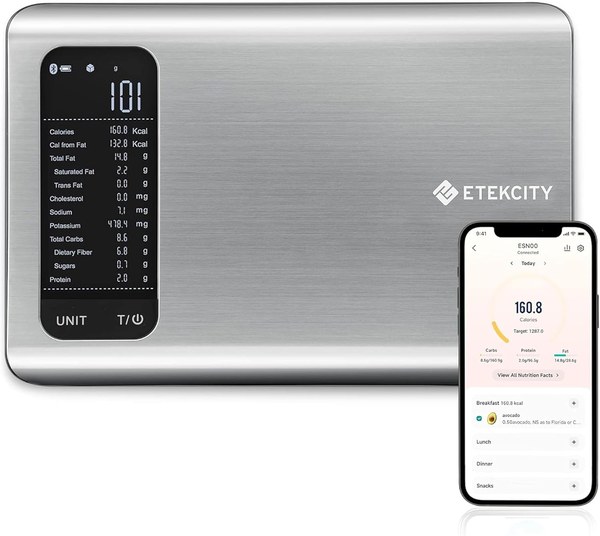 Etekcity Smart Nutrition Food Scale — weighs the actual amount of protein so you stop over-buying and over-eating.
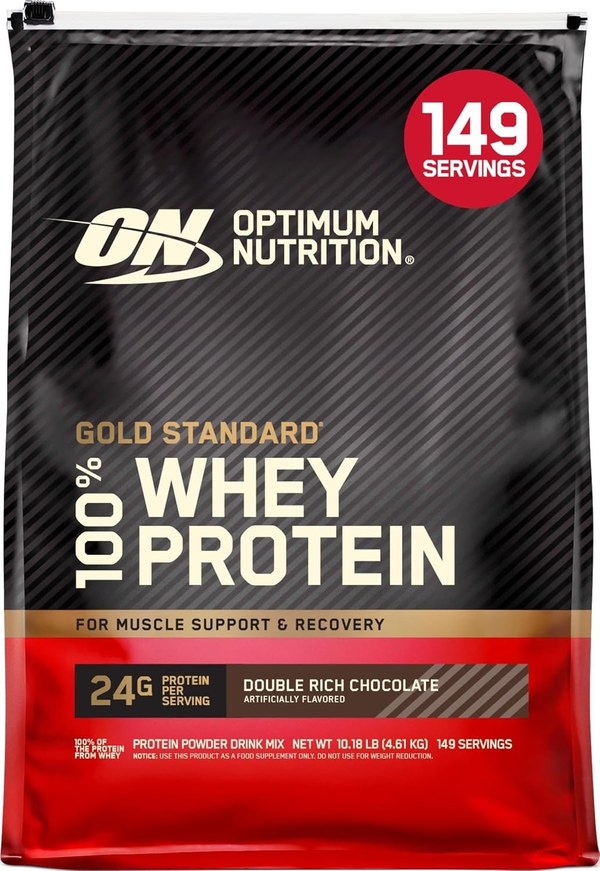 Optimum Nutrition Gold Standard 100% Whey (5 lb) — a measured protein source to hit the target without the excess.
Disclosure: as an Amazon Associate we earn from qualifying purchases. Prices are current as of writing and may change.